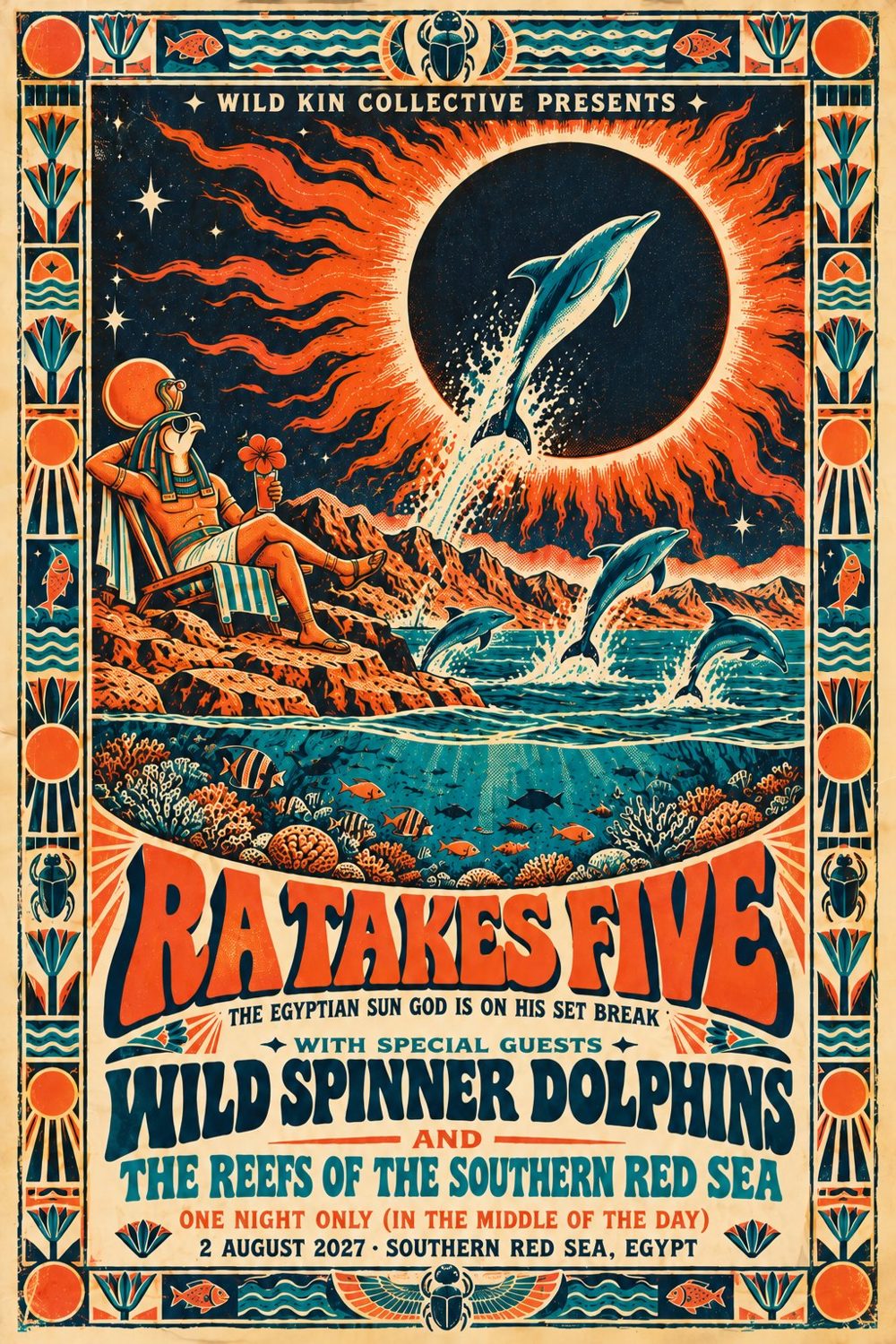
Wild Kin Collective presents
Ra Takes Five
The Longest
Total Solar Eclipse
Until 2114
And it passes right over the world-famous reefs and wild spinner dolphins you'll be swimming with. Somebody's showing off.
A 10-day dive and dolphin journey to Egypt's southern Red Sea
29 July – 8 August 2027
Hold your spot for €1,500.
Hey eclipse chasers,
dolphin devotees,
coral connoisseurs!
(Bonus points if you're all three.)
Been waiting for an adventure rare enough to rearrange your year around?
This one's yours.
Day Becomes Twilight
The Red Sea is flat as polished glass.
At your back, the desert rises in silent ochre.
Your hair is still stiff with salt from this morning's swim.
You notice the light start to thin –
colors deepen, shadows sharpen.
The air cools.
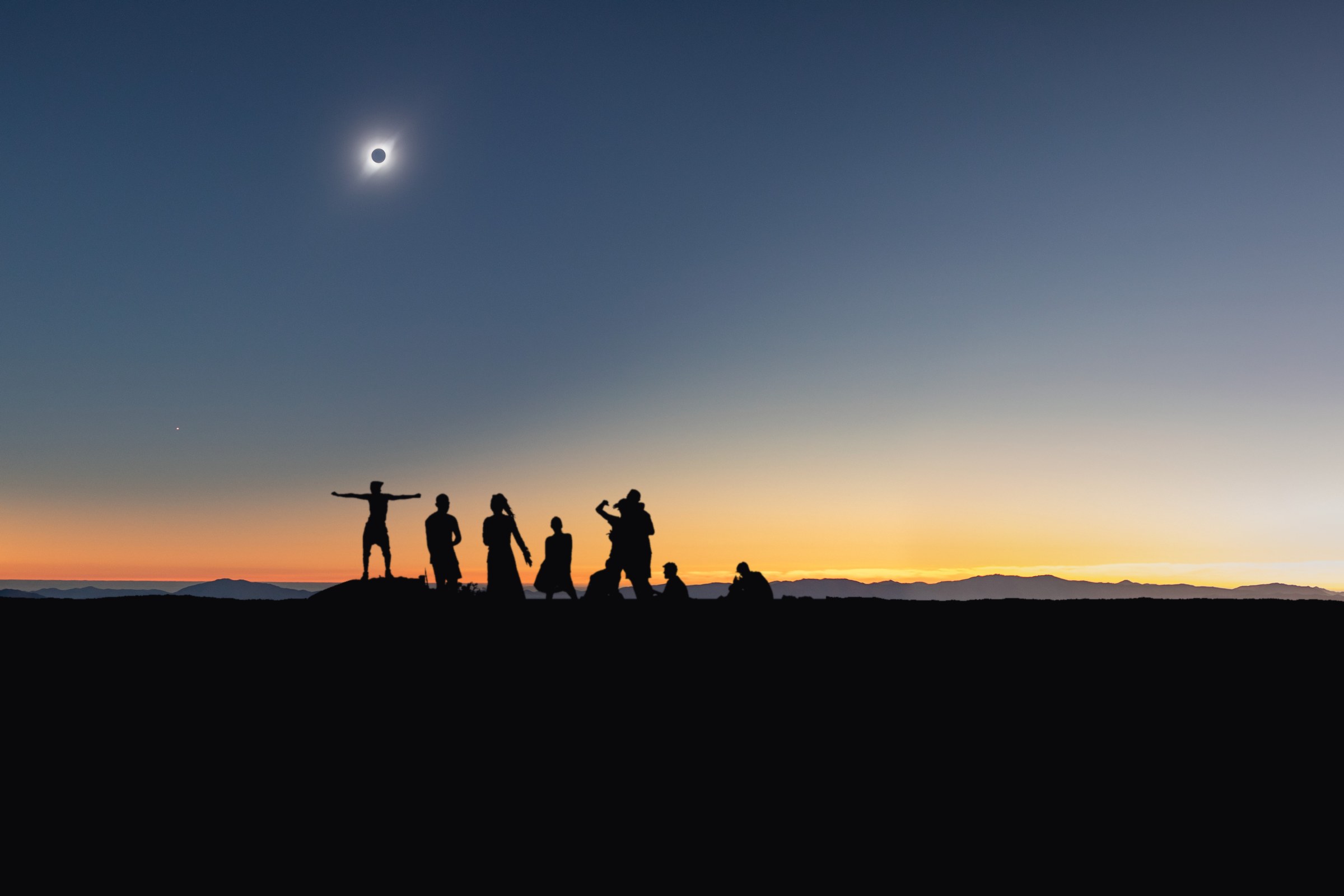
The last sliver of sun disappears, and you pull off your eclipse glasses.
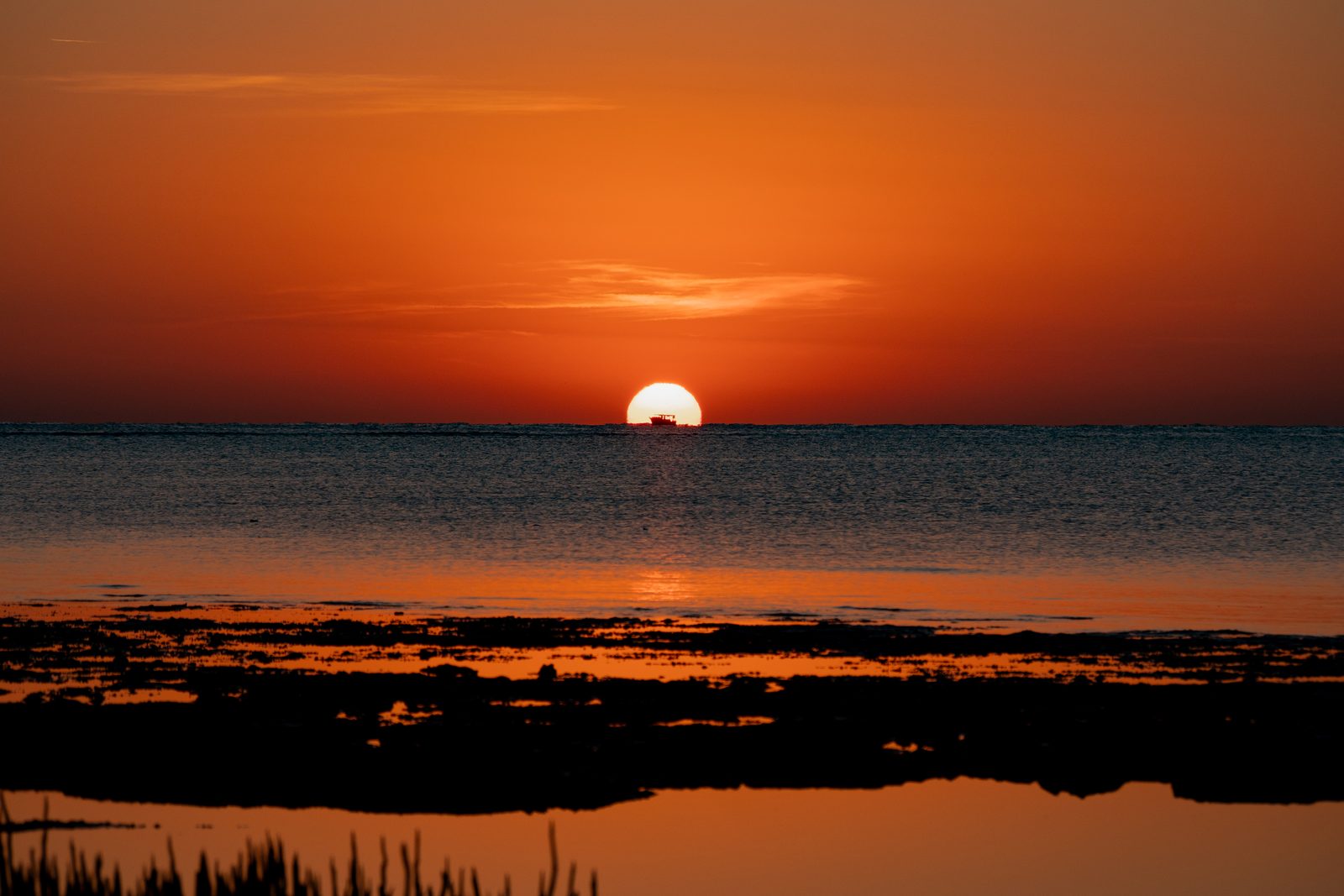
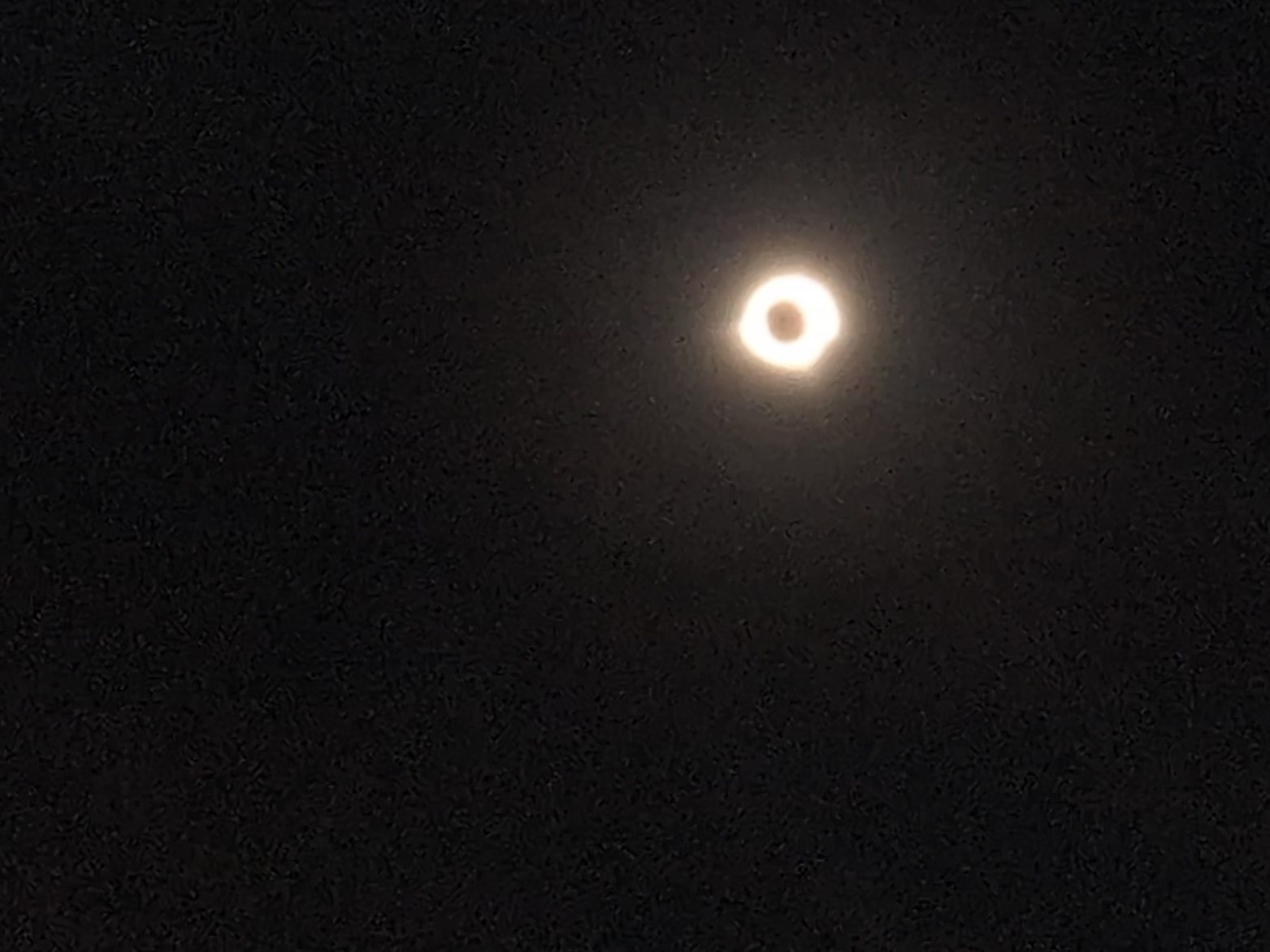
The sun's corona blazes around the black disk of the moon, turning the sea to mercury. The horizon glows in every direction, as if sunset were happening everywhere at once.
Your eyes are seeing it.
Your brain is still buffering.
Someone nearby is swearing in complete reverence. Someone else is laughing and can't say why. You catch your tentmate's eye and know exactly what they mean.
About six minutes later, a single bead of light slips out from behind the moon, and the day comes flooding back.
And that's only one afternoon.
Imagine what the other days are hiding.
The World Beyond the Eclipse
Egypt's Deep South
The Red Sea usually comes in two flavors:
There's the resort, where the reef is shared with a few hundred other snorkels.
Then there's the liveaboard – it reaches the far reefs the resort crowd never gets near, but you're confined to a boat for a week and your bunk is the size of a filing cabinet.
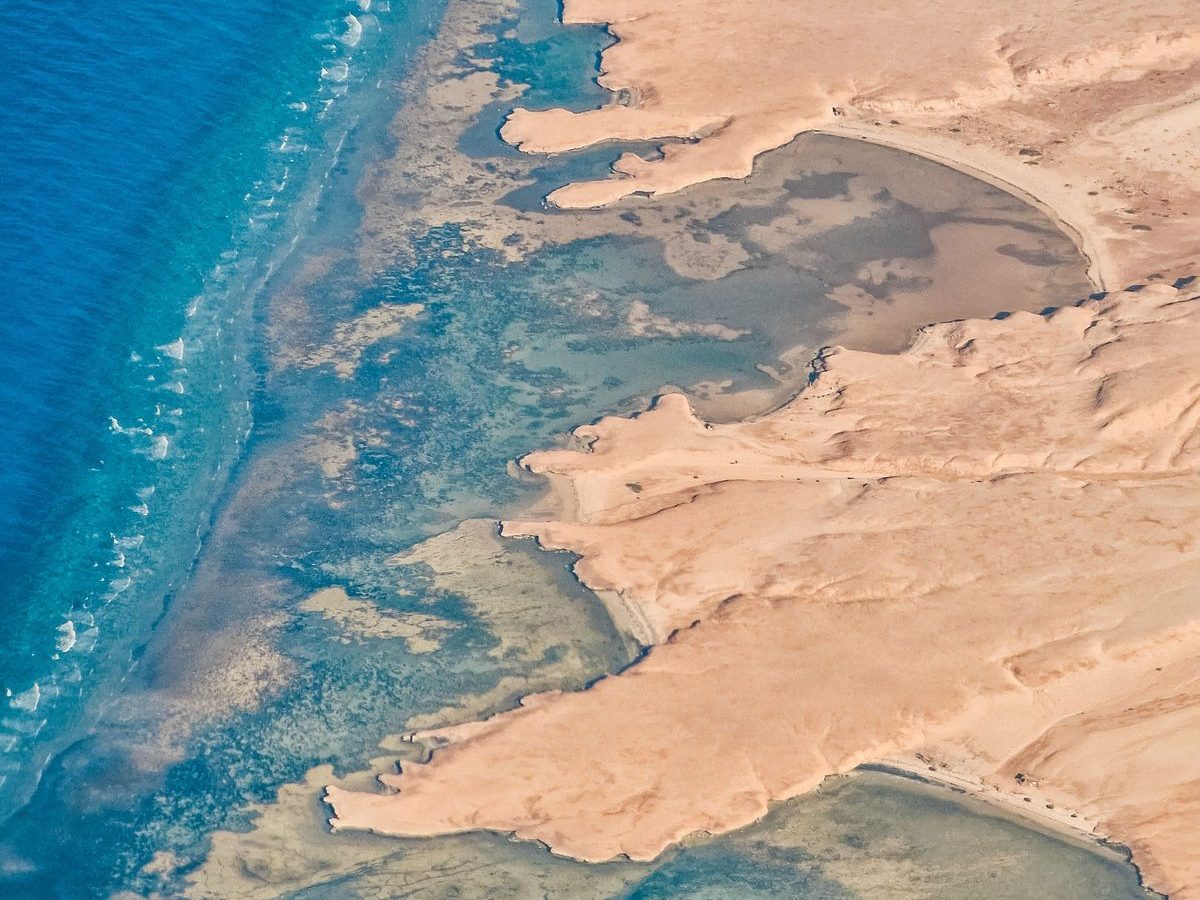
We found the third option. We're going far enough south, past the crowds, past the postcards, to where those far reefs are a short boat ride from your tent.
Meet the Locals
Slip into the water and a whole city is in full swing. Parrotfish crunching through breakfast. Clownfish picketing an anemone many times their size. A moray in her doorway, looking like she's been expecting you. Nobody is performing for you, which is the whole appeal.
The water is warm enough to stay in all day and so clear the far end of the reef looks like it's next door. Divers have crossed oceans for this water for decades.
Go deeper, and the possibilities get stranger.
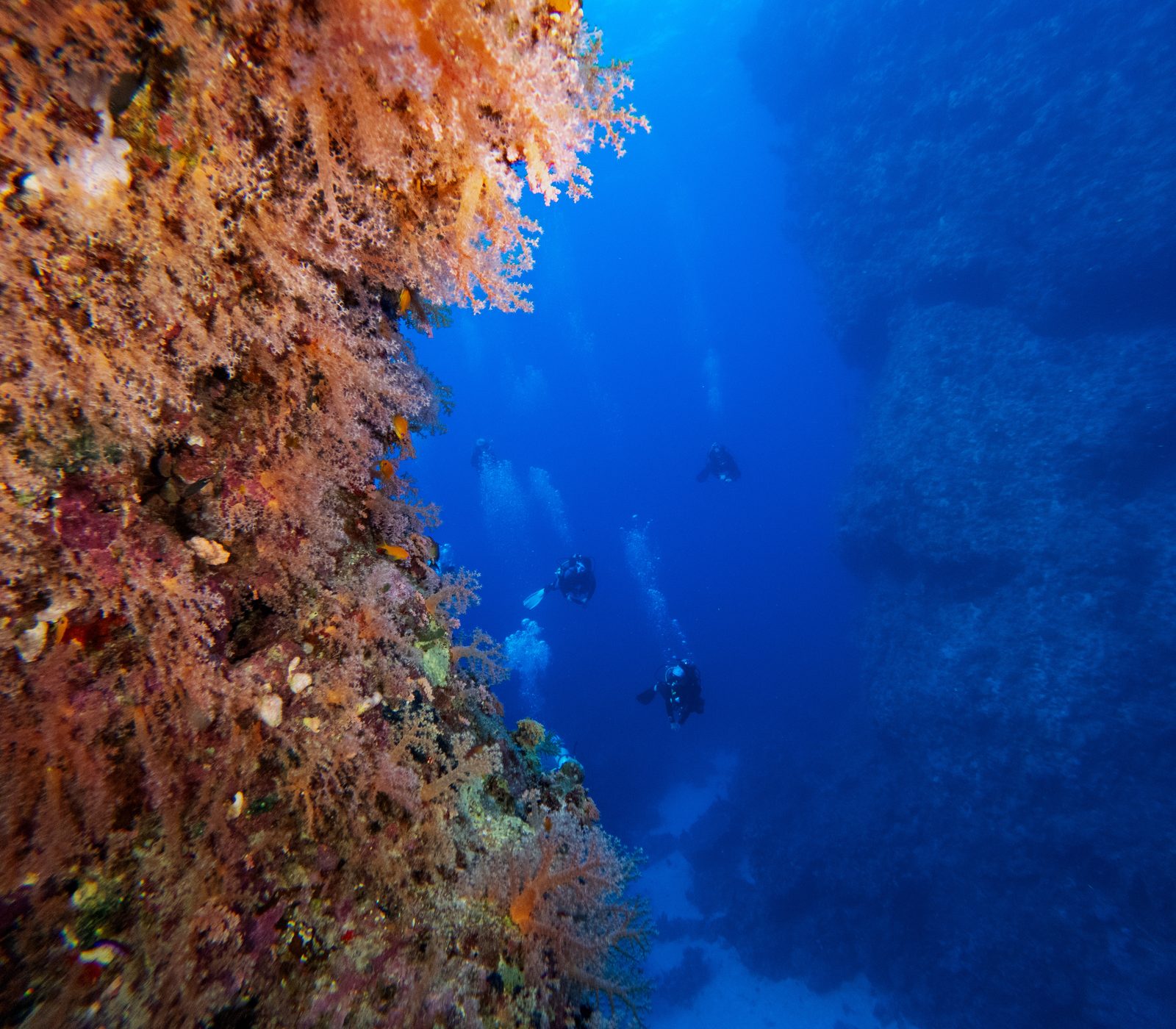
Some walls drop straight into open blue. Hang at the edge, and a reef shark might come cruising along the wall to check you out.
Caves you can swim into. Wrecks wrapped in coral. Arches to fin through. Bays of seagrass where dugongs have been known to graze, and bottlenose dolphins patrolling the outer shoals like they own the place. Turtles, always.
And then there's the timing. Summer brings your best odds of hammerheads, whale sharks, and manta rays in these waters, and that's exactly when you'll be here. Divers plan whole trips around that window. Cross your fingers, cross your toes, and cross your fins.
After Dark
Come back at sunset, and the reef changes hands. Parrotfish zip themselves into sleeping bags they make themselves. The moray leaves her doorway to go hunting. Lionfish stalk the edge of your torch beam, and squid rise from the deep.
The Red Sea is home to eight species of octopus, so start counting. Corals push out their tentacles, and the whole reef turns furry. With luck, a Spanish dancer drifts past, a blood-red sea slug swirling its flamenco skirt.
That's the regular stuff. Wait until you hear about the dolphins.
Where Spinners Spend Their Day
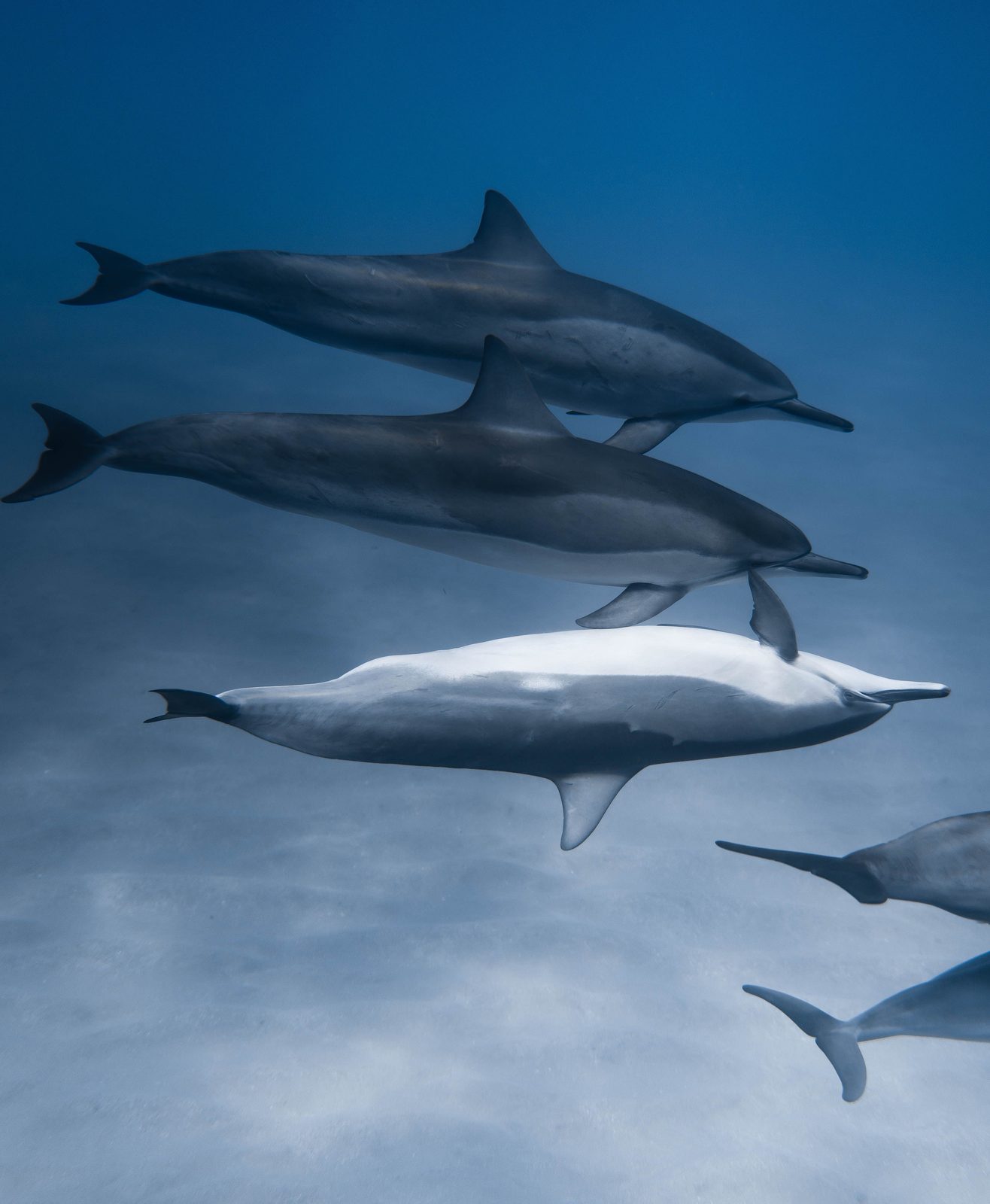
There are very few places on Earth where you can share the water with wild spinner dolphins as they go about their day. This part of the Red Sea is one of them.
They spend their nights feeding out in open sea. By day, they come into lagoons ringed by reef to rest, and that's when we visit: we ease in beside them and swim in their living room.
No bait, no chasing, no choreography. They're wild animals on their own turf, and they decide who they want to swim with. If they're curious about you, they'll show it. If they're not, you're still floating in their home.
Why They're Called Spinners
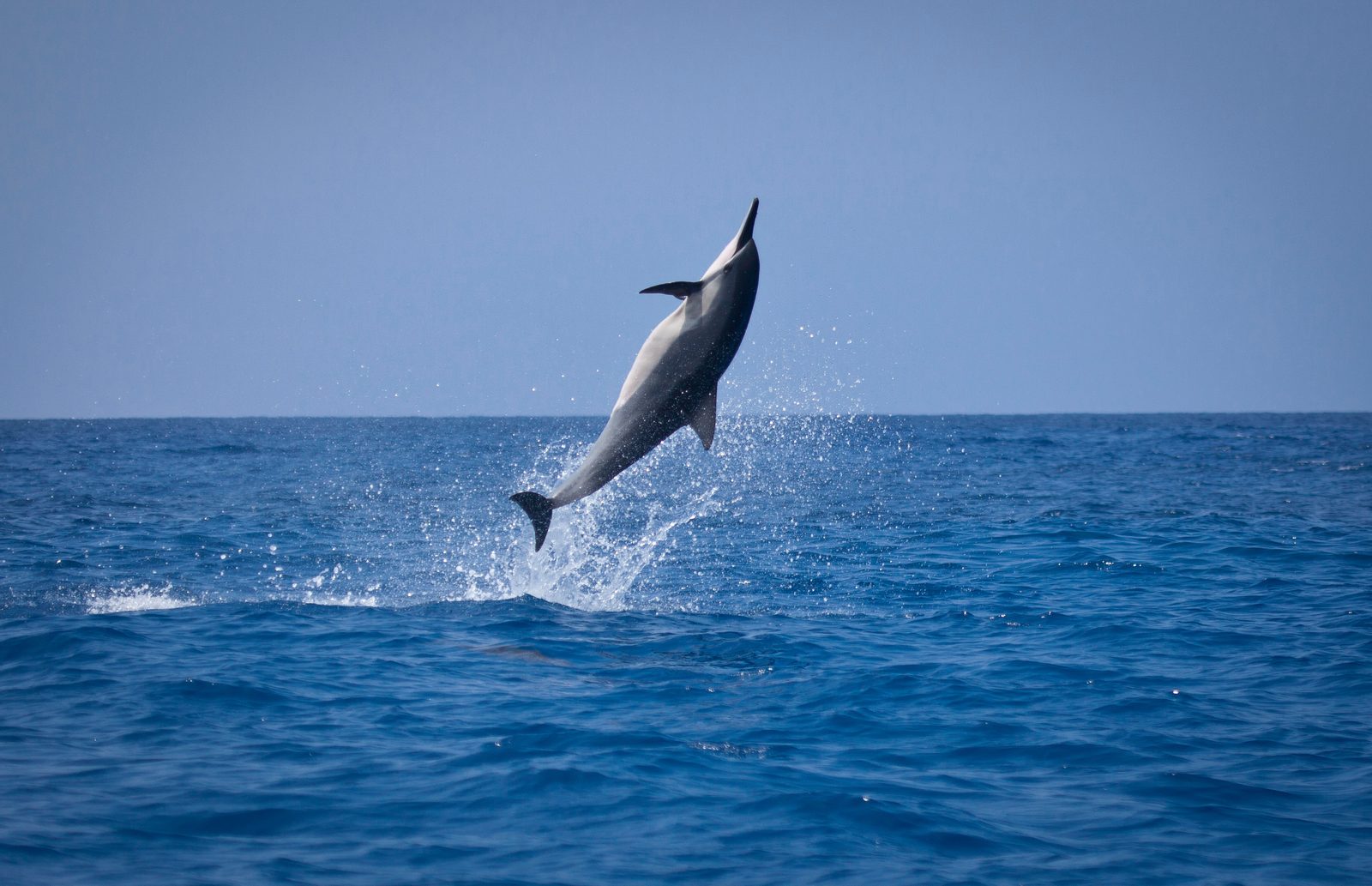
They hurl themselves clear of the water and spin like a top before they splash down. Nobody is entirely sure why. With any luck, we'll be in the water when one goes airborne. Front row doesn't begin to cover it.
Miles of Nothing, Perfectly Placed
The reef is the busiest thing for miles. Turn around, and the land is almost empty: a wall of dark, jagged mountains running the length of the coast, dry riverbeds winding off into them, mangroves at the water's edge, and nothing built by human hands to interrupt any of it.
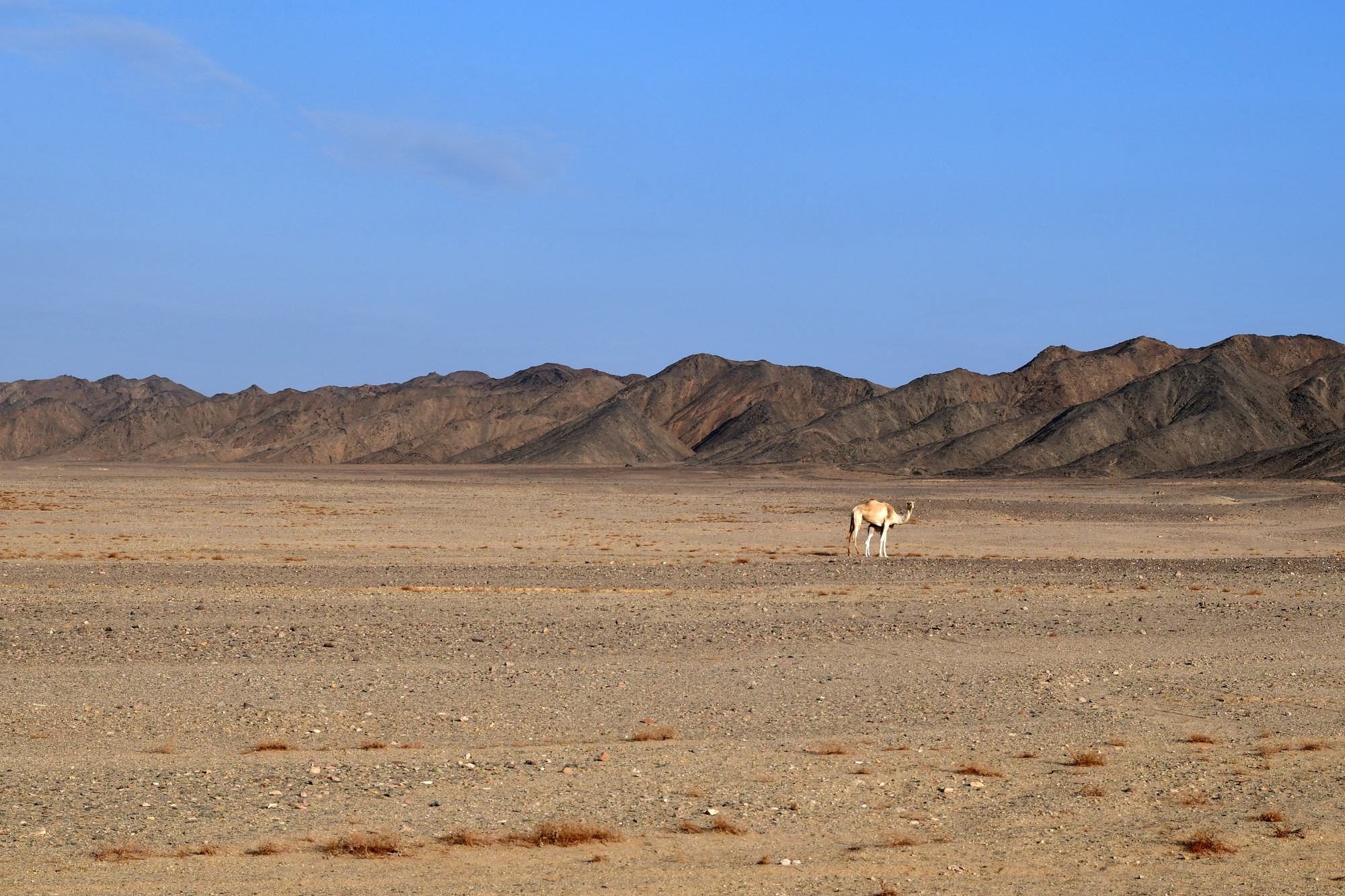
It looks like another planet, and most of your neighbors have horns. Ibex and gazelles live up in those hills, and herders in this part of the desert still keep camels.
The Night Shift
When the stars come out, they bring the whole galaxy with them. There's no town for miles to light the sky from below, and our timing brings a bonus: a total eclipse only happens at a new moon, so there's nothing to wash it out from above.
Out here, the stars have the sky to themselves. Lie back and the Milky Way is just there, overhead, like it's always been.

The Rhythm of the Days
Some mornings you're in the water before you've fully located your own face. Other mornings, coffee and the view win.
Six Days of Diving, Yours to Spend
Each evening, the dive team plans tomorrow's reefs, and you decide how many dives you're up for. Dive after breakfast, dive after lunch, grab an afternoon snack and dive again if you're game.
Get back in the water at sunset, and follow your torch beam to the octopus that hid from you all day.
Or dive the morning away and spend the rest of the day being a sea lion: sprawled at the water's edge, floating at the surface, soaking up the sun. You're allowed to be an explorer before lunch and a hermit after.
Two Outings Belong to the Dolphins
Twice, the tanks stay behind and the spinners get your full attention. We head out by boat, and if they're around, we get in the water with them. A second chance means your dolphin swim doesn't hinge on one day's luck.
On the Days You're Not Diving
These days are yours. Sleep until lunch, read a whole book, watch the light change on the water. Or go exploring.
Along this coast, there's birding in the mangroves, kitesurfing, camels in the hills, and Roman ruins. Or book a pre-dawn day trip to Luxor's temples and tombs if you're feeling ambitious.
The desert has plans for you if you want them, and a shady spot to put your feet up if you don't.
By Dinner, Everyone's Back
Plates of fresh Egyptian and international dishes come out, and the whole group drifts in to share them. One diver reenacts a Napoleon wrasse inspecting the entire dive group, complete with the lips. Another describes the giant winged shadow that glided overhead, and its wingspan grows every time it's told.
Other nights you skip the stories, eat dinner, and go to bed at an hour you last kept in childhood.
Why Ten Days?
Nothing here waits for you. A spinner going airborne, a turtle surfacing beside the boat, totality: you catch them or you miss them.
For the first couple of days, your body is here and your head is still back home or at work.
By day three, the noise in your skull starts to settle.
By day four, you're noticing things you'd have breezed straight past before: how the mountains change color through the afternoon, which pint-sized damselfish is the bully of the reef.
The eclipse arrives in the middle of the trip, once you've had days to find your footing. By then, you know your corner of camp, the rhythm of the days, and the faces around you.
Ten days on nature's schedule, and you stop zoning out and start tuning in without ever deciding to. With any luck, that habit follows you home.
Two Camps. One Wild Coast.
Two small eco-camps sit on the same wild coast, and both run on one rule: the reef sets the guest list. Both put your tent a few steps from the water, and since 1990 they've shown that a reef can host divers and stay wild, working alongside the region's conservation groups.
Marsa Nakari gives you a house reef you could spend a week exploring and still have improbable creatures left to find. Wadi Lahami sends you out by boat each morning to the Fury Shoals, a reef system whose hard coral is believed to be among the best on the planet.
Each camp has its own famous dolphin lagoon. Both give you six dive days and two dolphin outings, and both have worlds to discover topside, if you ever leave the water.
Nakari is the livelier of the two. Lahami is quieter and farther out. Fair warning: choosing gets harder the more you read.
- ★ Our two camps: Marsa Nakari, about 5 min 41 s of totality. Wadi Lahami, about 6 min 13 s.
- - - The edges of the path. Anywhere between them, the sun goes completely dark.
- ● Longest totality anywhere: about 6 min 23 s, in the Nile Valley near Luxor.
Marsa Nakari:
The Reef You Walk Into
Eclipse Totality: about 5 minutes 41 seconds
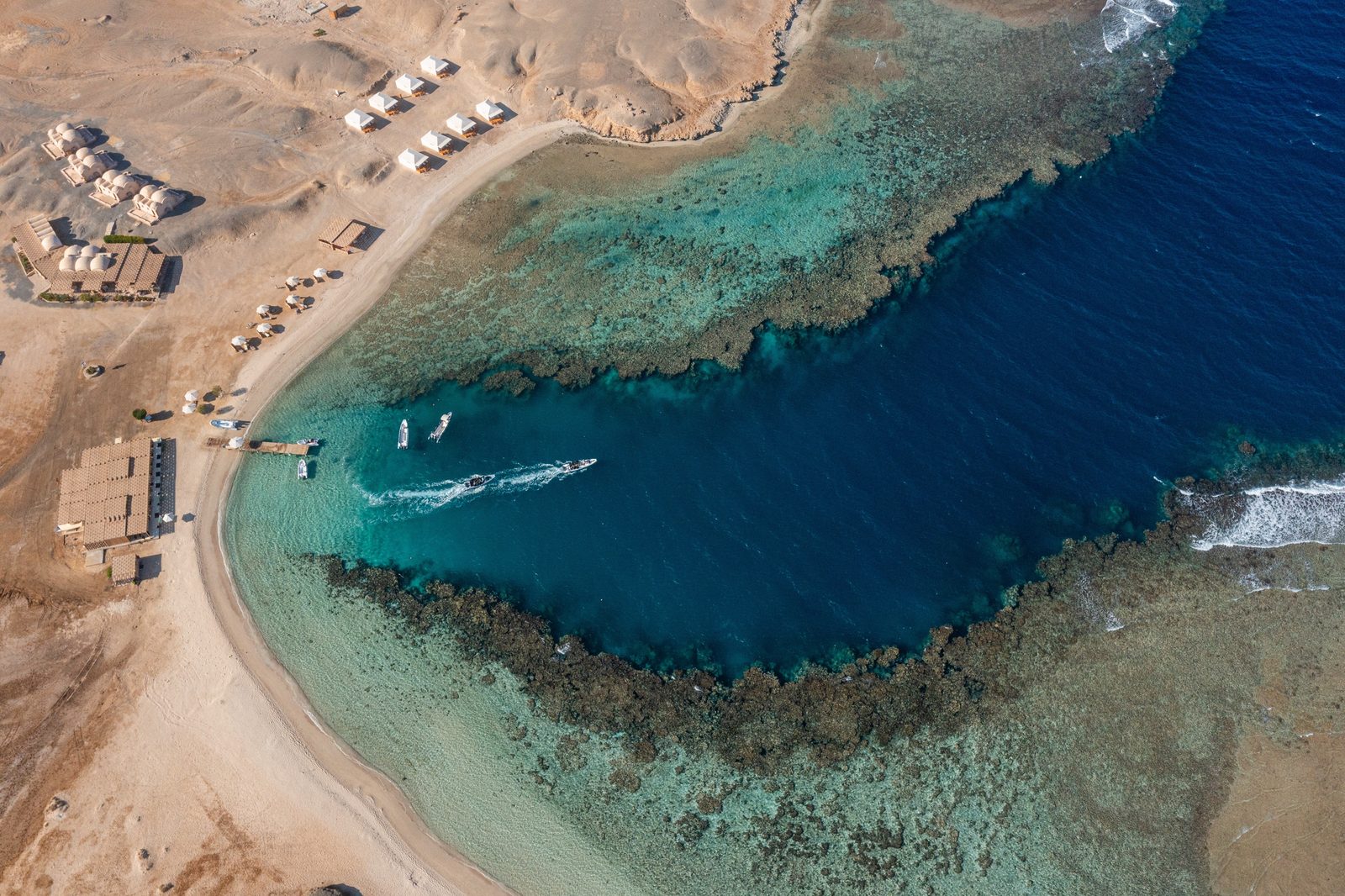
Wake up, walk down to the beach, and wade in. That's the commute.
All-You-Can-Dive House Reef
Nakari's house reef is yours to dive as often as you like, from early morning until the dive center closes. Before breakfast. Twice in an afternoon. The same spot three days running, because an octopus has been studying you from its den, and the feeling is mutual. Sign the board, find a buddy, and go.
Two sprawling reefs curve around Nakari's bay, with six different dive routes off one beach. To the north, hard coral and an enormous anemone patch. To the south, coral pinnacles with gaps to slip through, and beyond them, deep outer walls where the bay ends and the open sea begins.
The real obsession starts when you slow down and look closely: ghost pipefish, seamoths, velvetfish, nudibranchs, tiny shrimps disappearing into coral. Creatures so well camouflaged that spotting one can feel like solving a puzzle. It's a favorite with macro photographers, and good eyes get rewarded.
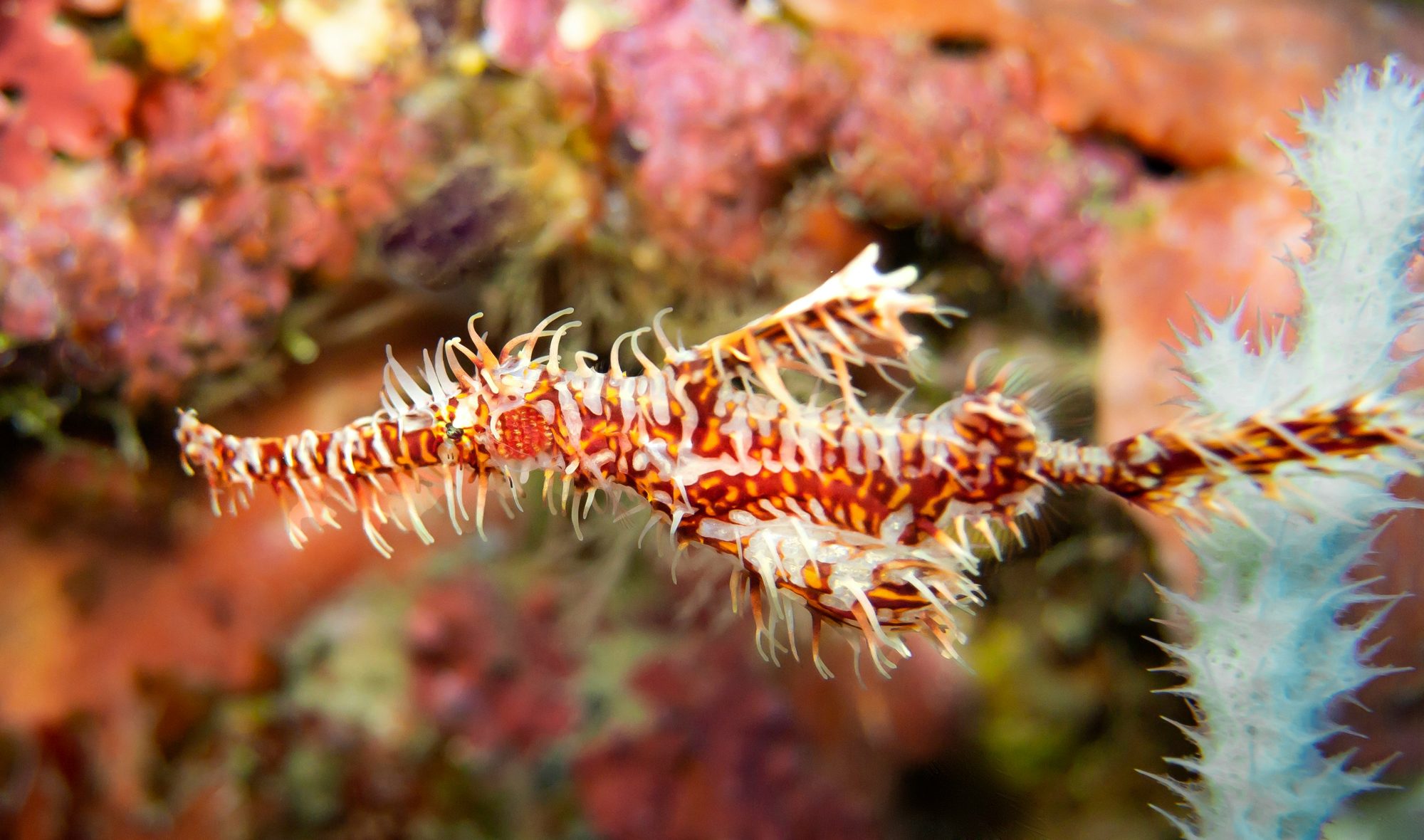
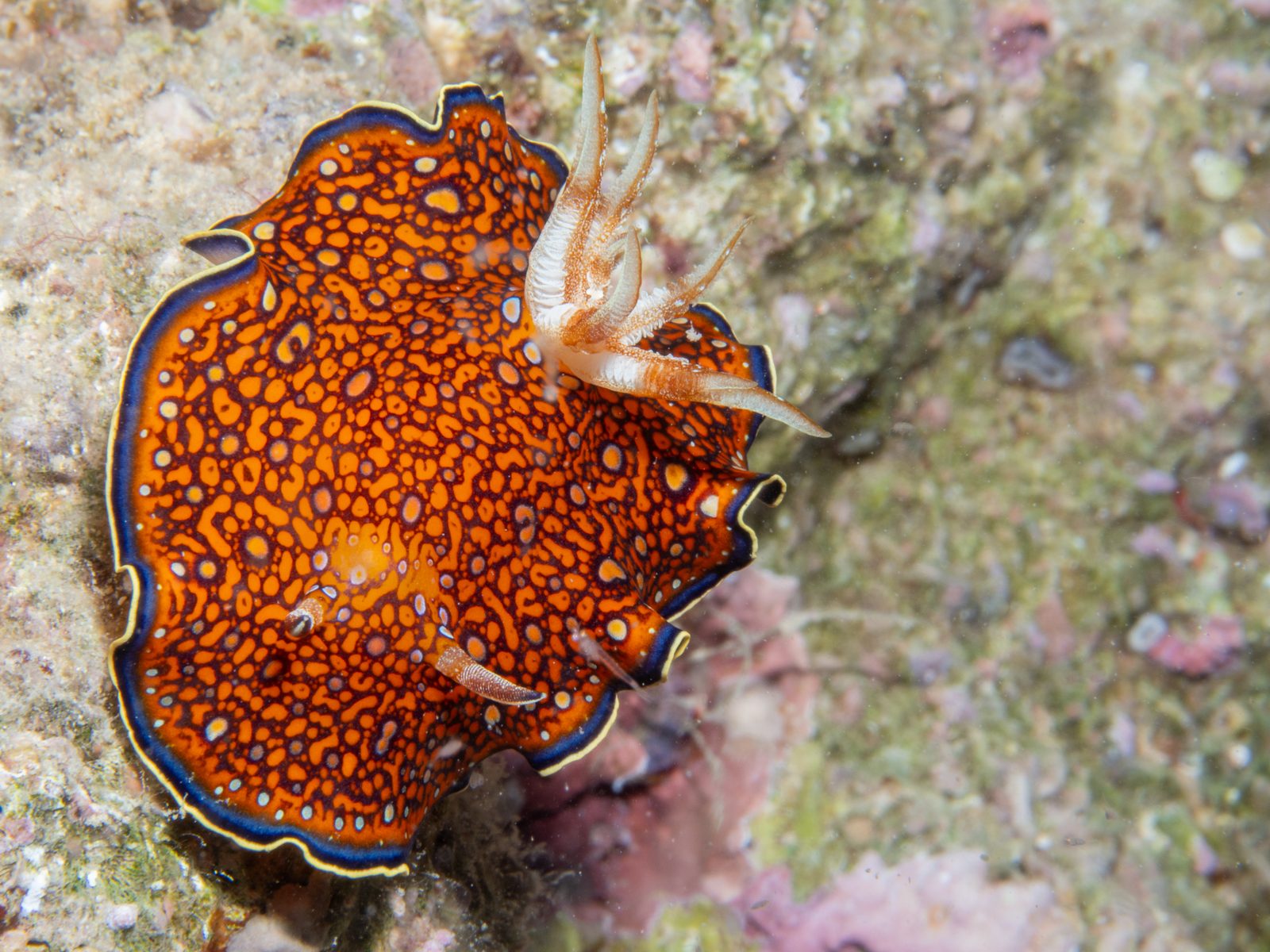
Turtles, rays, reef squid, and Napoleon wrasse make the daily rounds. A school of Indian mackerel cruises the bay with their mouths hanging wide open, like they've just heard the news. In summer, a whale shark can even glide past the reef you waded into that morning.
Dusk Belongs to You
The sun sets before the dive center closes, so you can wade in off your own beach at golden hour and find out what your octopus gets up to after dark.
Beyond the Bay
Three times during your stay, you'll head out by boat for two guided dives past the house reef. The sea decides where, and sites include:
- Abu Dabab, a sheltered seagrass bay where dugongs are known to graze.
- The Hamada, a cargo ship lying close enough to shore to swim out to.
- Elphinstone (for more advanced divers), a lone reef in open water whose walls drop past 100 meters. In summer, it's one of Egypt's best bets for hammerheads, manta rays, and whale sharks. Oceanic whitetips have been seen on rare occasions, cruising in with pilot fish in tow.
Samadai Dolphin House
Around two hundred spinner dolphins are thought to use this sheltered lagoon as their daytime hideout. Your visit might bring a dozen, or well over a hundred.
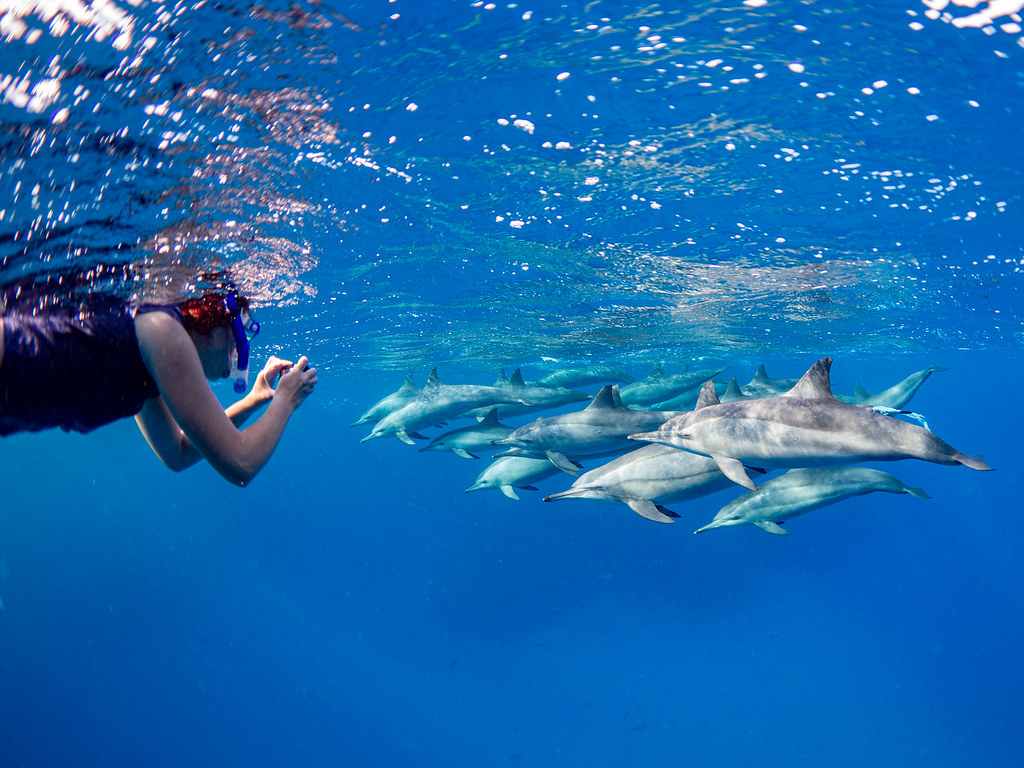
It's a marine park with capped visitor numbers, so the lagoon stays calm and you share it with dolphins, not crowds.
Life at Camp
Nakari has the feel of a small coastal village. Meals are served at the restaurant overlooking the center of the village, and the dive center is where everyone drifts between dives to compare notes.
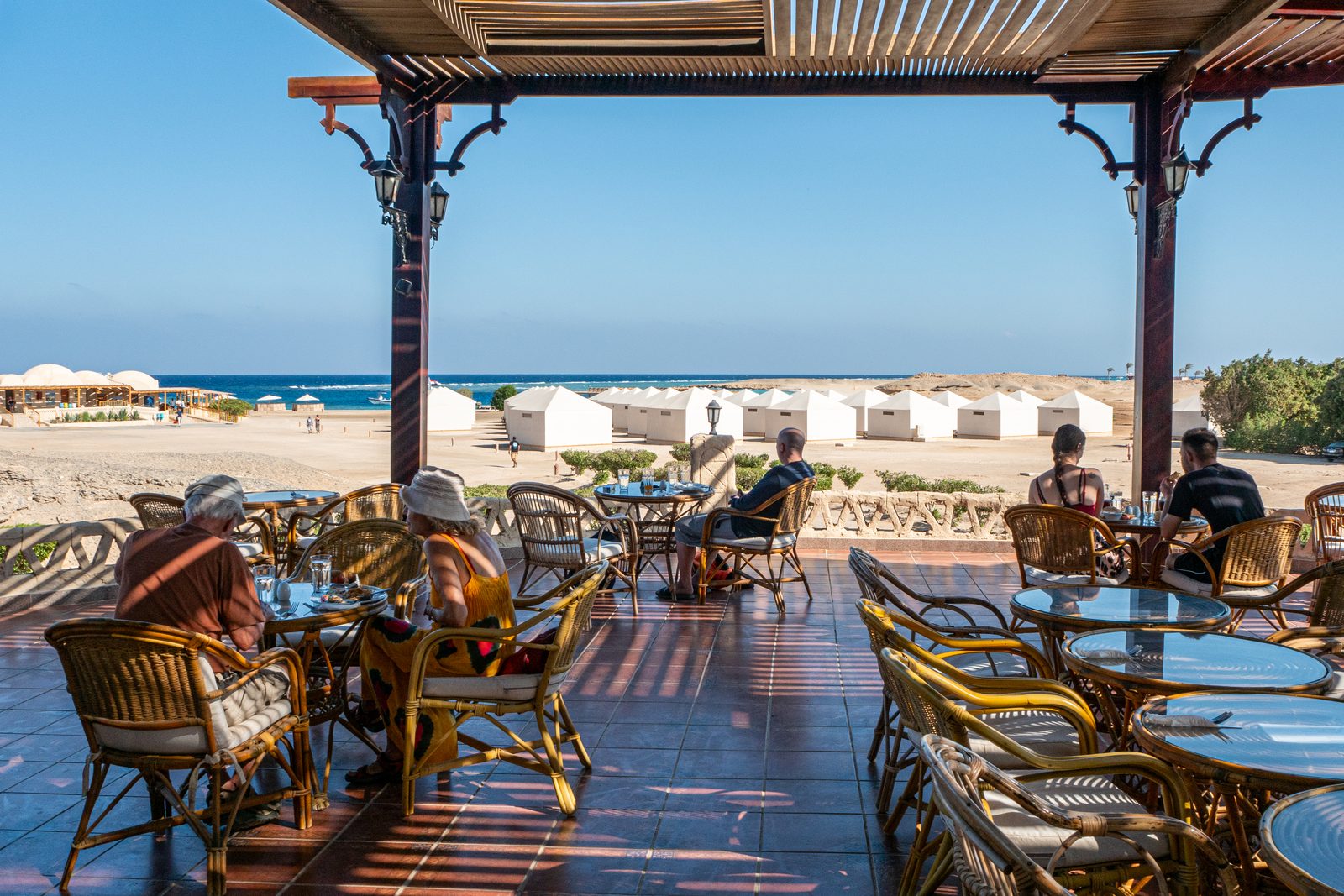
The Land Behind It
Nakari itself is a Roman-era port. The ruins of Nechesia still sit on a hill at the south end of the bay, and the bay takes its name from them.
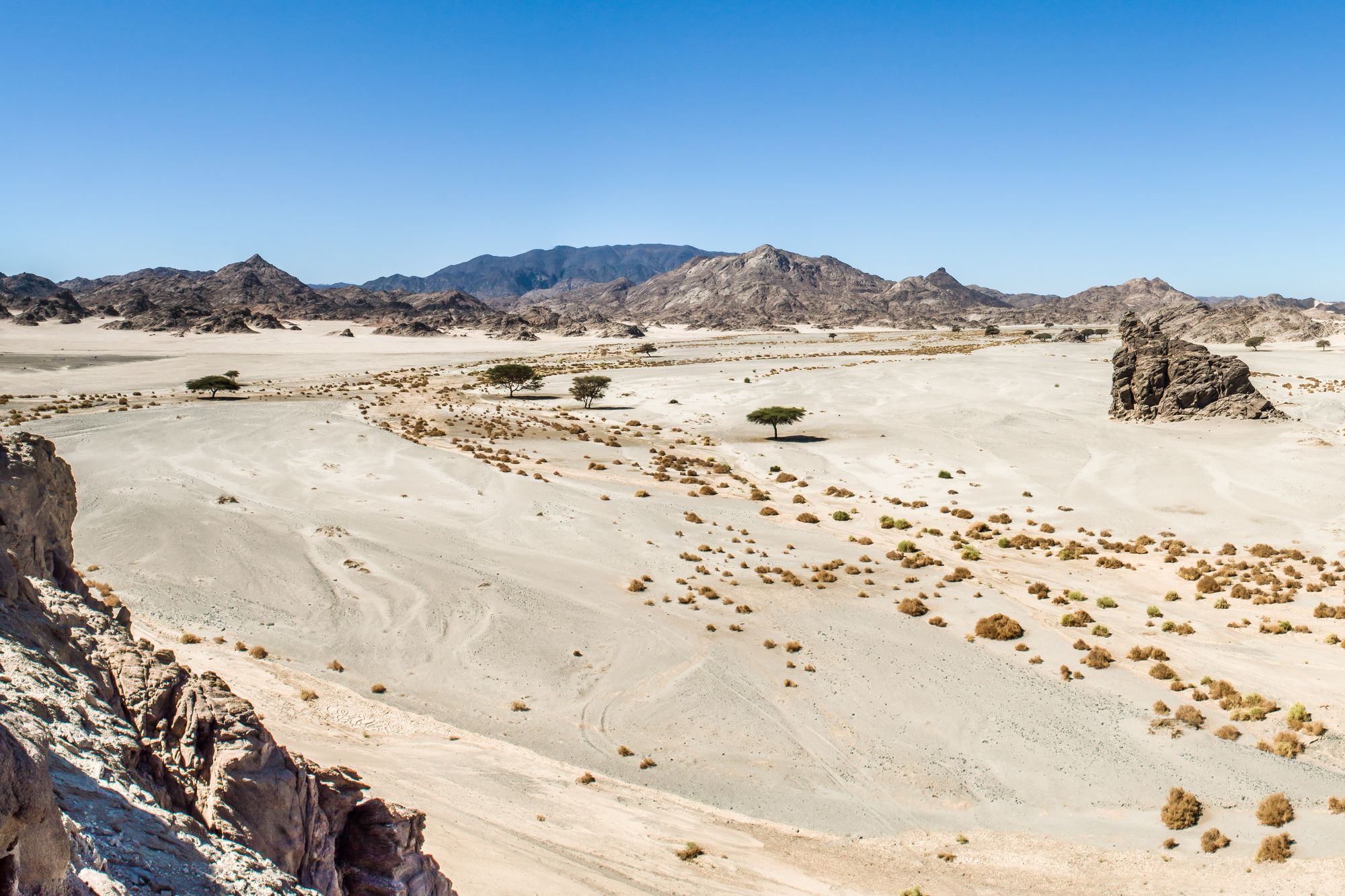
Just inland lies Wadi el Gemal National Park, the "Valley of the Camels": rocky desert, mountains, Ptolemaic and Roman ruins, ancient mines, and rock art older than most countries.
Scan the ridgelines. Nubian ibex pick their way along ledges you'd need ropes for, carrying horns that curve back nearly a meter. Desert foxes keep a lower profile.
Book a guide at camp and go see for yourself: the ruins and rock art, a camel ride through the Valley of the Camels, or dinner cooked by the Ababda Bedouin under the stars.
Choose Nakari if you:
- want to dive whenever the mood strikes, without checking a boat schedule
- shoot macro, or you love being the diver who finds the ghost pipefish everyone else swam past
- prefer a livelier camp with more company
- want ruins, camels, and cultural excursions within reach
- prefer exploring with just a buddy, no guide needed
Wadi Lahami:
The Far South and
the Fury Shoals
Eclipse Totality: about 6 minutes 13 seconds
To dive the Fury Shoals, most divers sign up for a week of living on a boat. From Wadi Lahami, you're rolling backward into them before your morning coffee has worn off, and you're back at camp for lunch.
Thirty Kilometers of Coral
The Fury Shoals stretch off Egypt's southern coast as if the sea kept adding rooms. Their hard coral is believed to be among the best on the planet, with table corals big enough to seat a dinner party. Plenty of these reefs sit so far off the boat routes that few people have dived them.
Each morning, the guides read the sea and pick from sites like:
- Shaab Claudia, where you drift down a canyon cut straight through the reef and pop out into a gentle cave system.
- Abu Galawa, where a tugboat has been sinking into the coral since around 1945, and the coral is winning.
- Shaab Maksour, where grey reef sharks swing past walls of gorgonian fans and black coral for a slow, curious look, and hammerheads have turned up too. An arch waits at 38 meters for divers with a few more dives behind them.
Residents and Drop-Ins
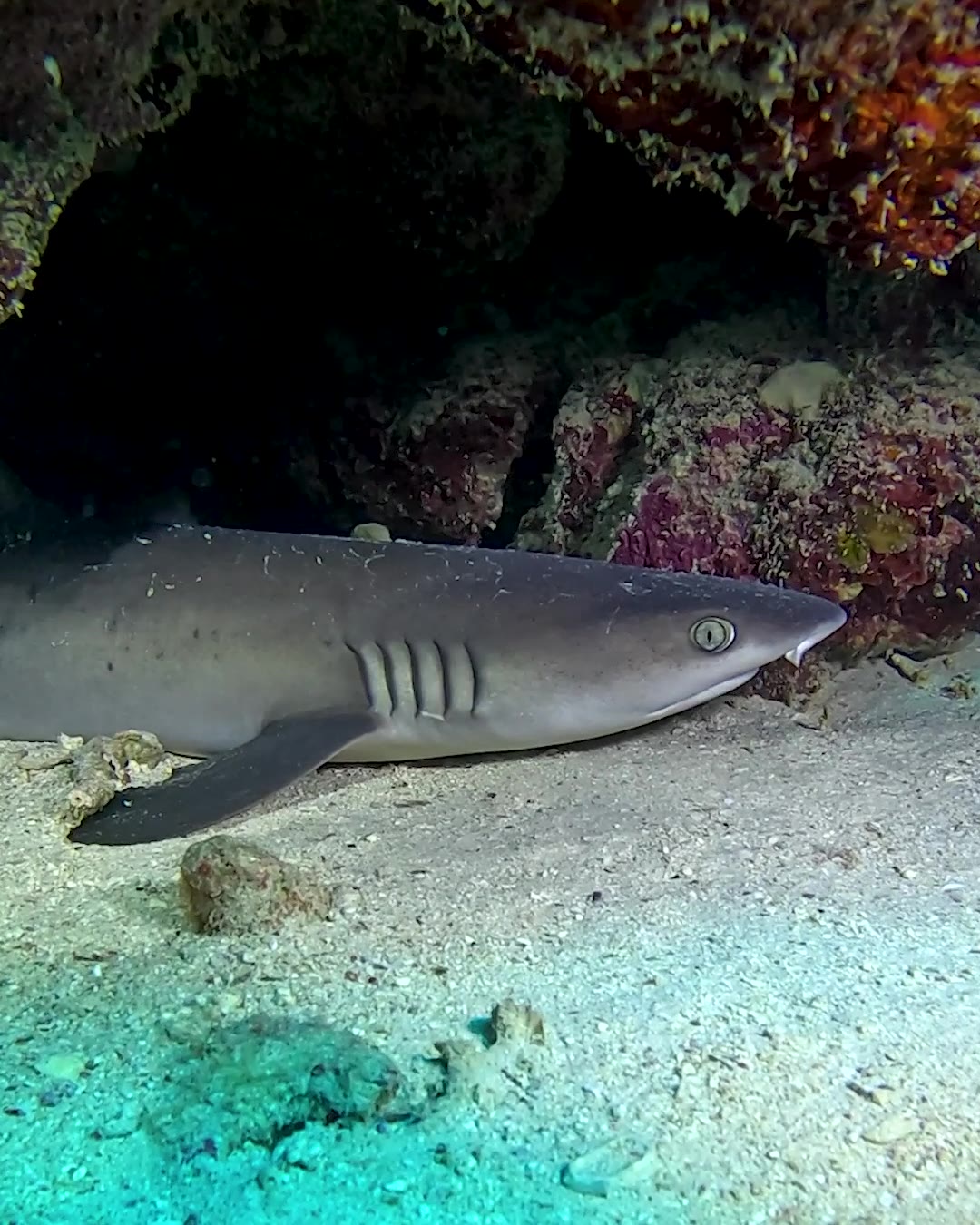
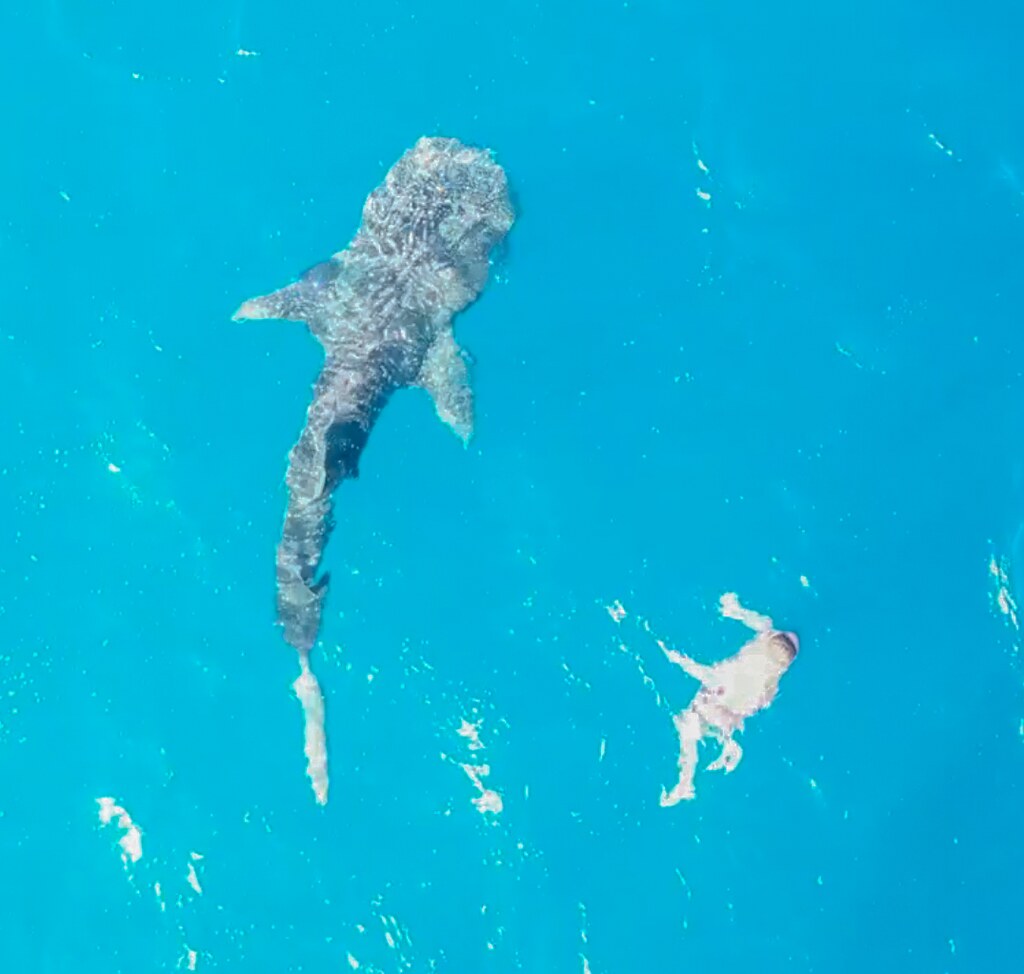
Giant trevally and barracuda cruise past like they're running security, while whitetip reef sharks doze under the coral overhangs, saving themselves for the night hunt. Frogfish sit dead still, convinced they're sponges, and crocodilefish do the same impression of rubble. You're here in plankton season, too, so keep one eye on the blue: whale sharks and manta rays follow the bloom.
Four Dives a Day
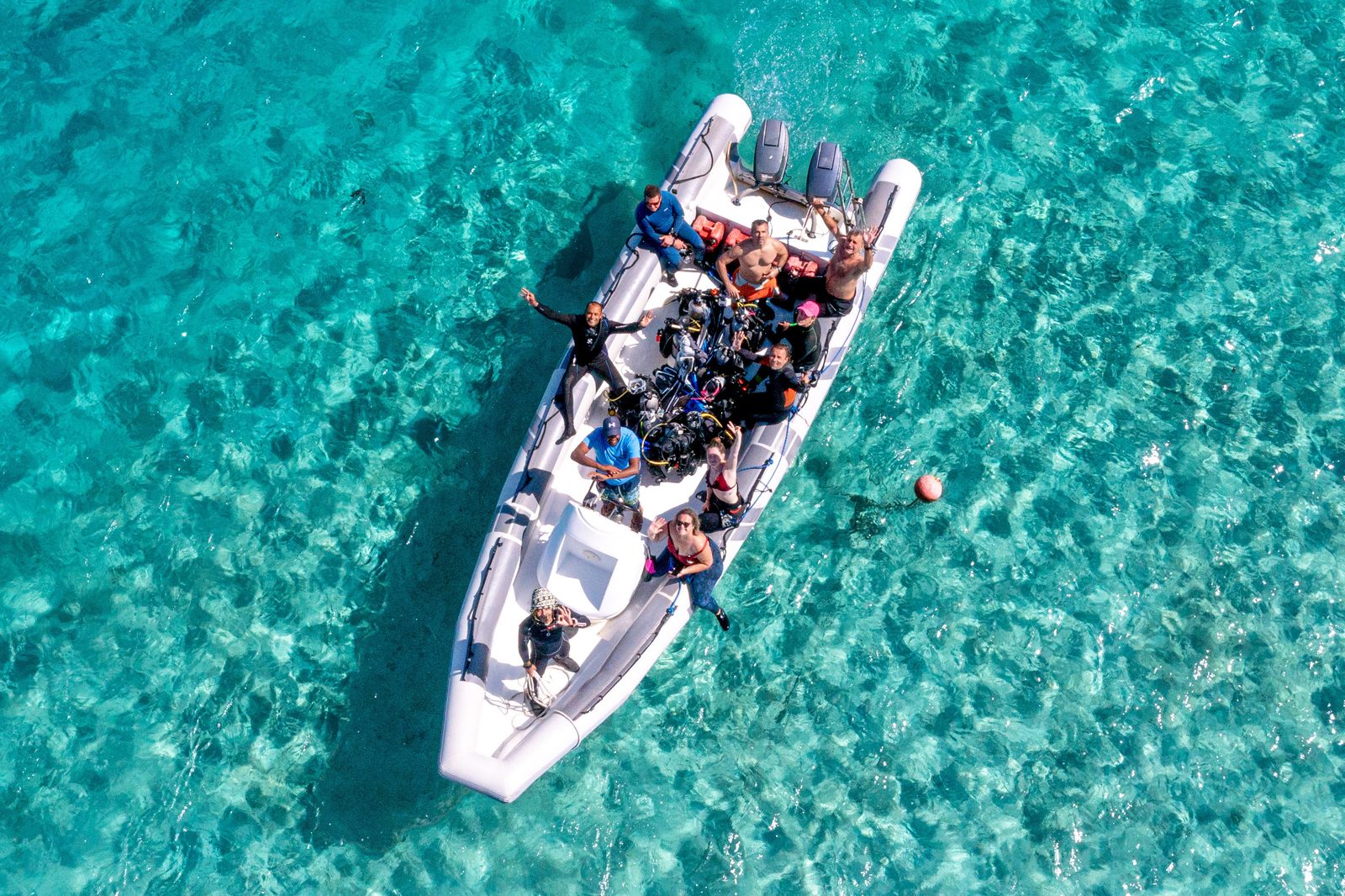
Tea, coffee, and cake come out between the two morning dives while the boat motors to the next site, which is the correct way to do a surface interval. After lunch and a siesta, a quick RIB hop takes you to a reef just minutes from camp. At sundown, head back out with a torch before dinner and look for the hermit crab that carries a stinging anemone on its shell as a bodyguard.
Sataya Dolphin Reef: The Big One
At the southern tip of the Fury Shoals sits Sataya, a world-famous horseshoe of coral nearly five kilometers long and much bigger than its sister reef at Samadai. Its lagoon is so vast that spinner dolphins move through it in pods of eighty or more, rising and falling together in slow, rolling arcs.
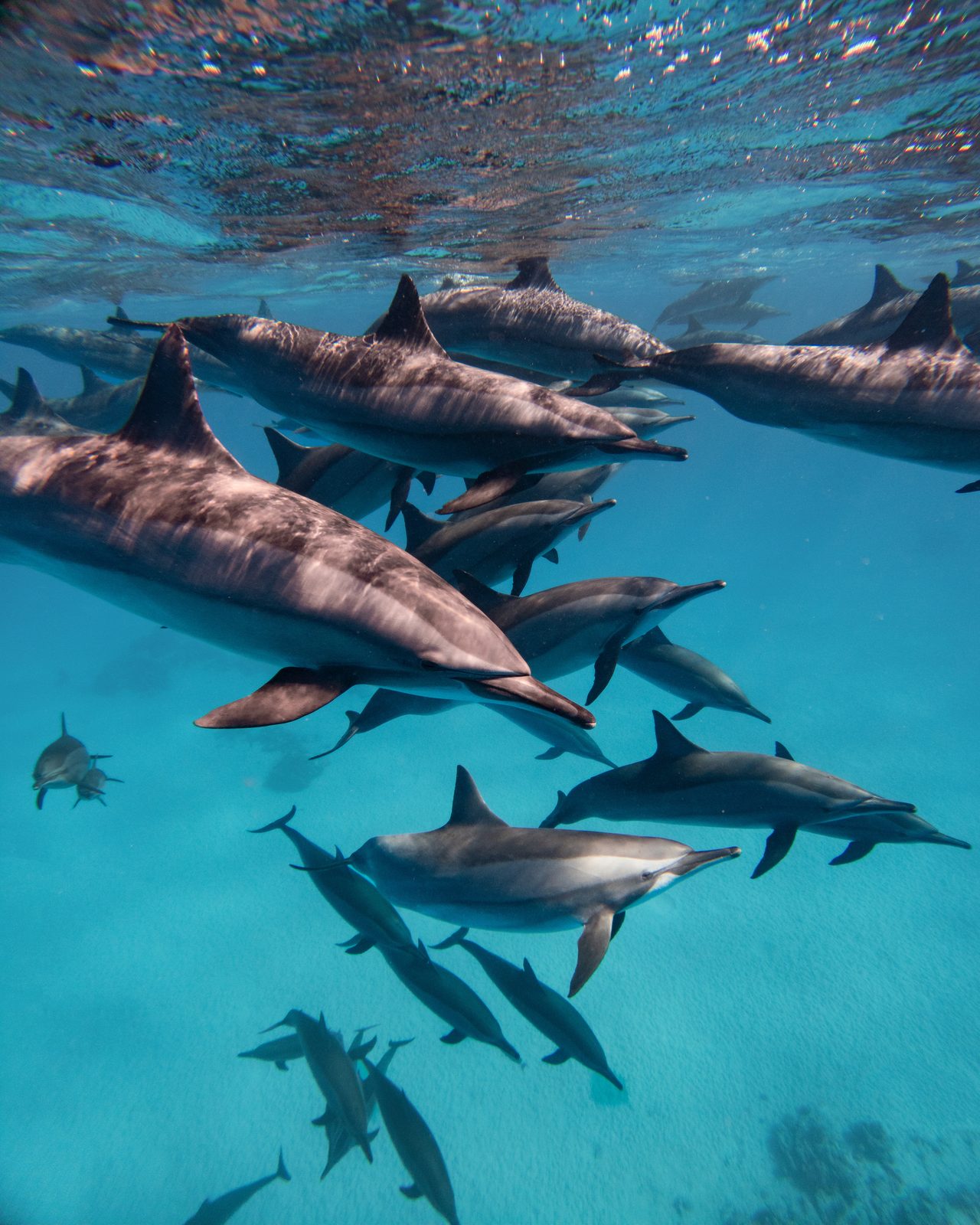
They're usually happy to share it with quiet swimmers, so leave the tanks on the boat, pull on your mask and fins, and become the strangest-looking member of the pod.
Life at the End of the Line
Lahami sits deep in Egypt's far south, in a big, calm bay ten kilometers from the nearest village. It's small and far-flung, and the sea is close enough to hear from your tent. Being this far south comes with a bonus, too: on eclipse day, the moon stays parked in front of the sun longer here than at Nakari. Eclipse chasers keep score.
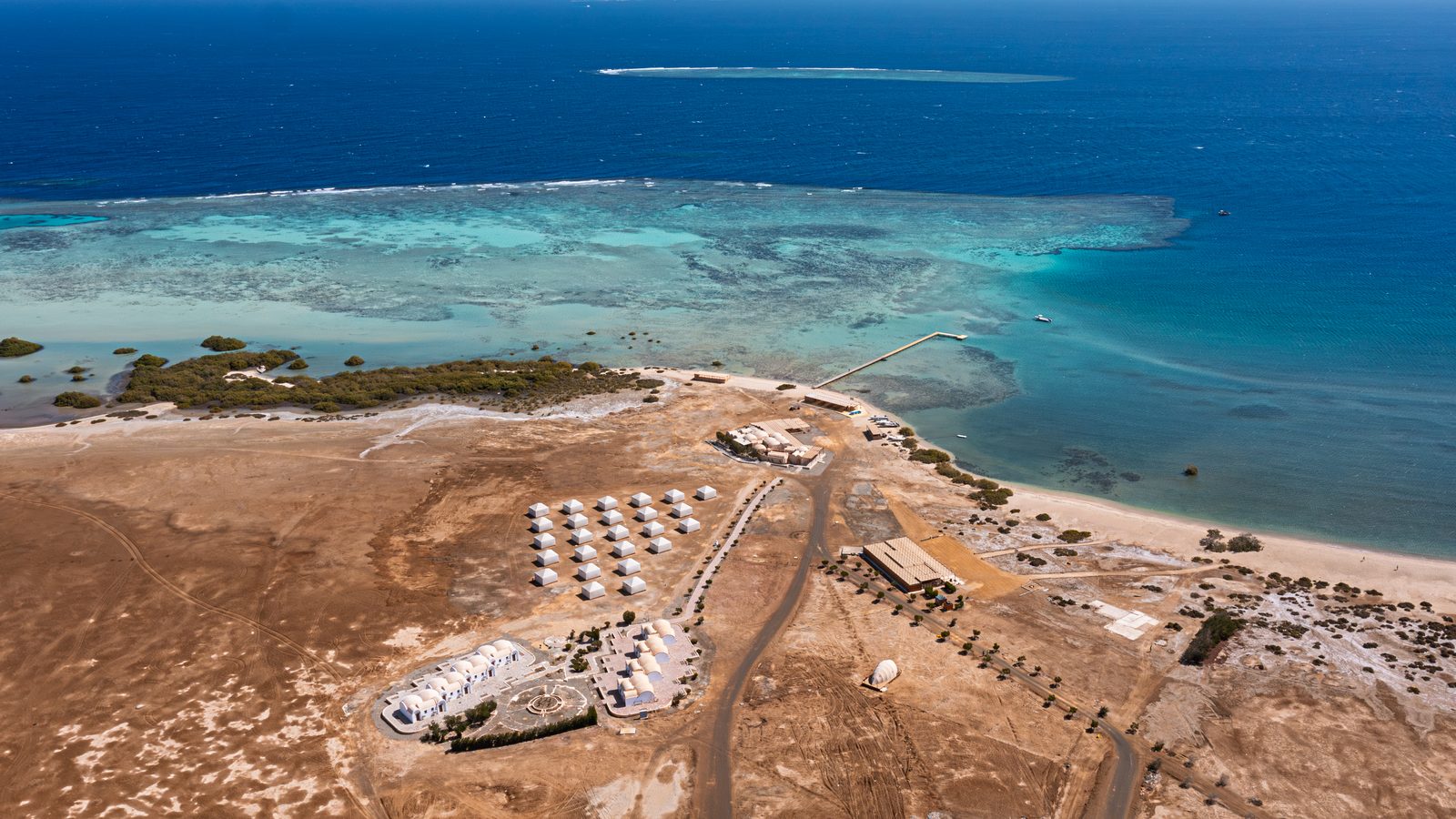
After dinner, wander down to the Yellow Penguin, the tiny bar at the kite center that shares your beach, where the beer is cold, the fire pit is lit, and the stars outnumber the guests by a few billion. The only decision left is one more round or bed.
Kiters who know Egypt's crowded spots come to this bay for the empty water: a wide, flat lagoon, soft sand underfoot, and a steady breeze all year. If you've ever wanted to try kitesurfing, here's your excuse.
Where the Desert Turns Green
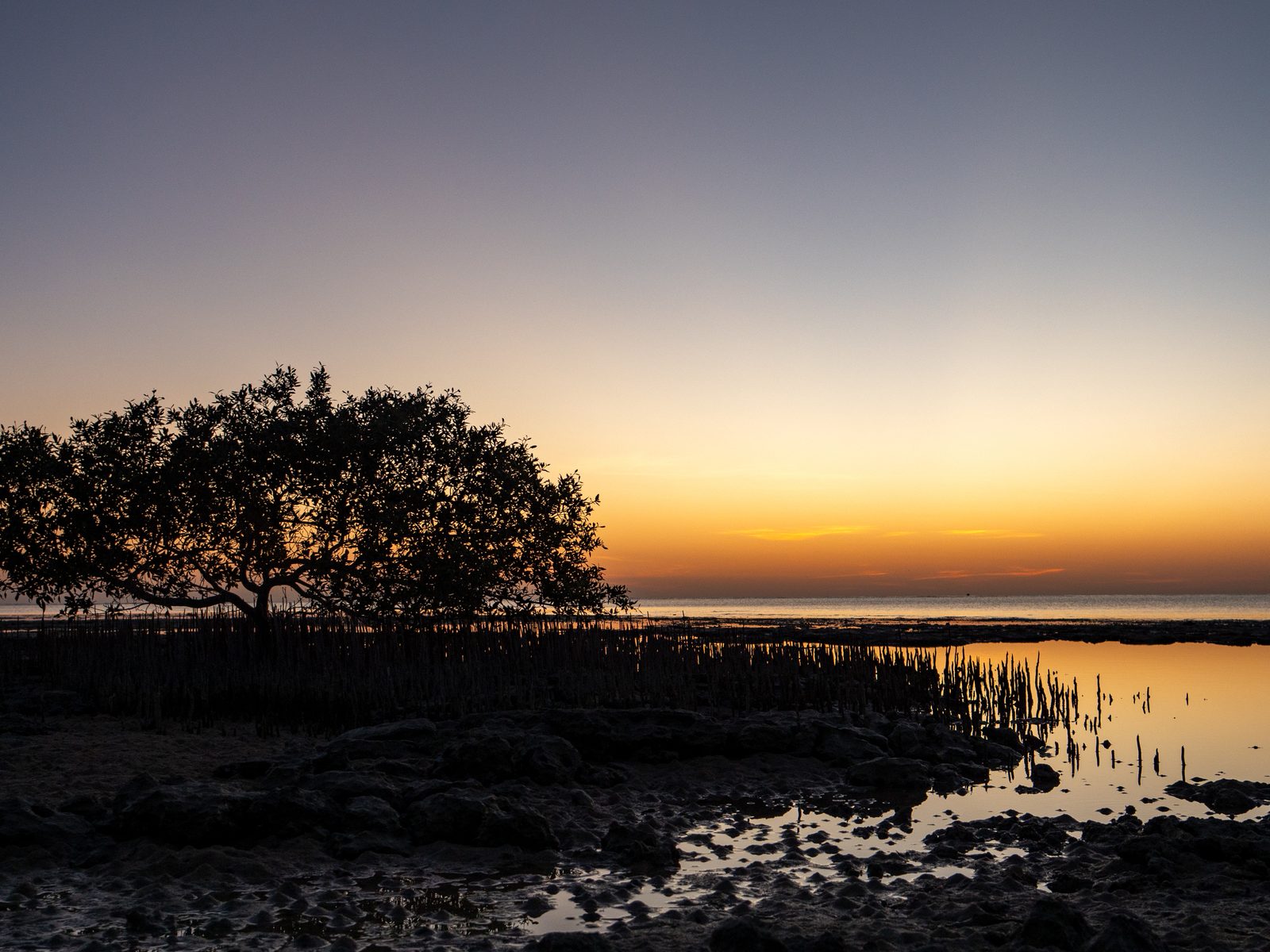
North of camp, a forest grows straight out of the sea. It's one of the largest mangrove forests in the Middle East, and after days of rock, sand, and blue, it looks almost too vivid to be real. Come at dawn, when the birdsong is at full volume.
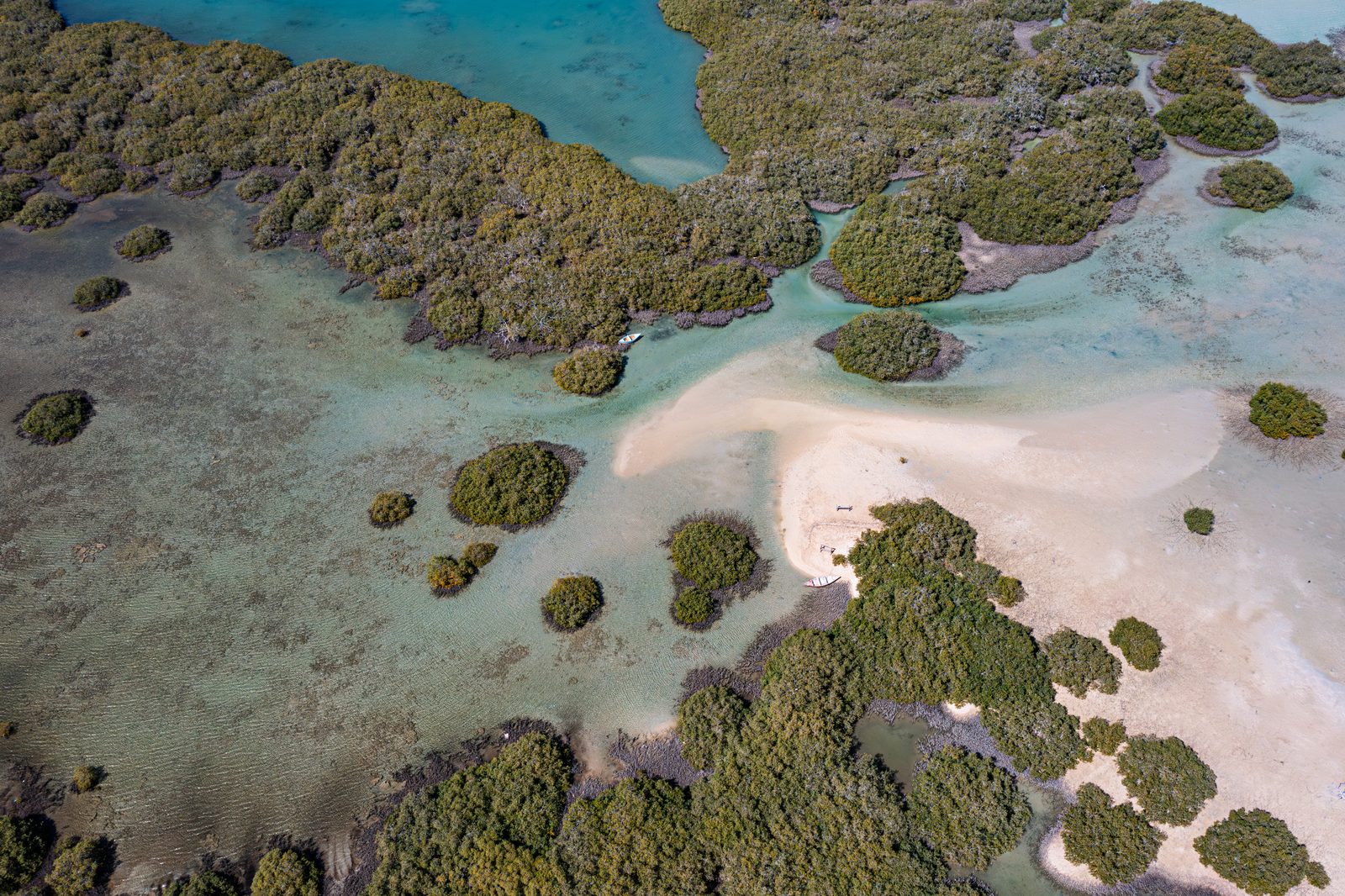
Herons stalk the shallows while a spoonbill sweeps its strange, flat bill through the water. Kingfishers dive-bomb and come up with a fish as big as their beaks. Ospreys circle overhead before slamming into the water talons-first to snatch their lunch.
Choose Lahami if you:
- want days that ask nothing of you but stepping onto the boat, rolling off it, and eating cake in between
- want world-famous and barely dived reefs, plus a wild coast to roam instead of a liveaboard deck
- think "miles from anywhere" are the three dreamiest words in English
- want over six minutes of totality, a full 32 seconds more than at Nakari
- are the friend who enthusiastically points out every bird
- are a kiter, or kite-curious
What's Included
Ten Nights. Six Dive Days. Two Dolphin Outings. One Total Solar Eclipse.
Waking Up Taken Care Of
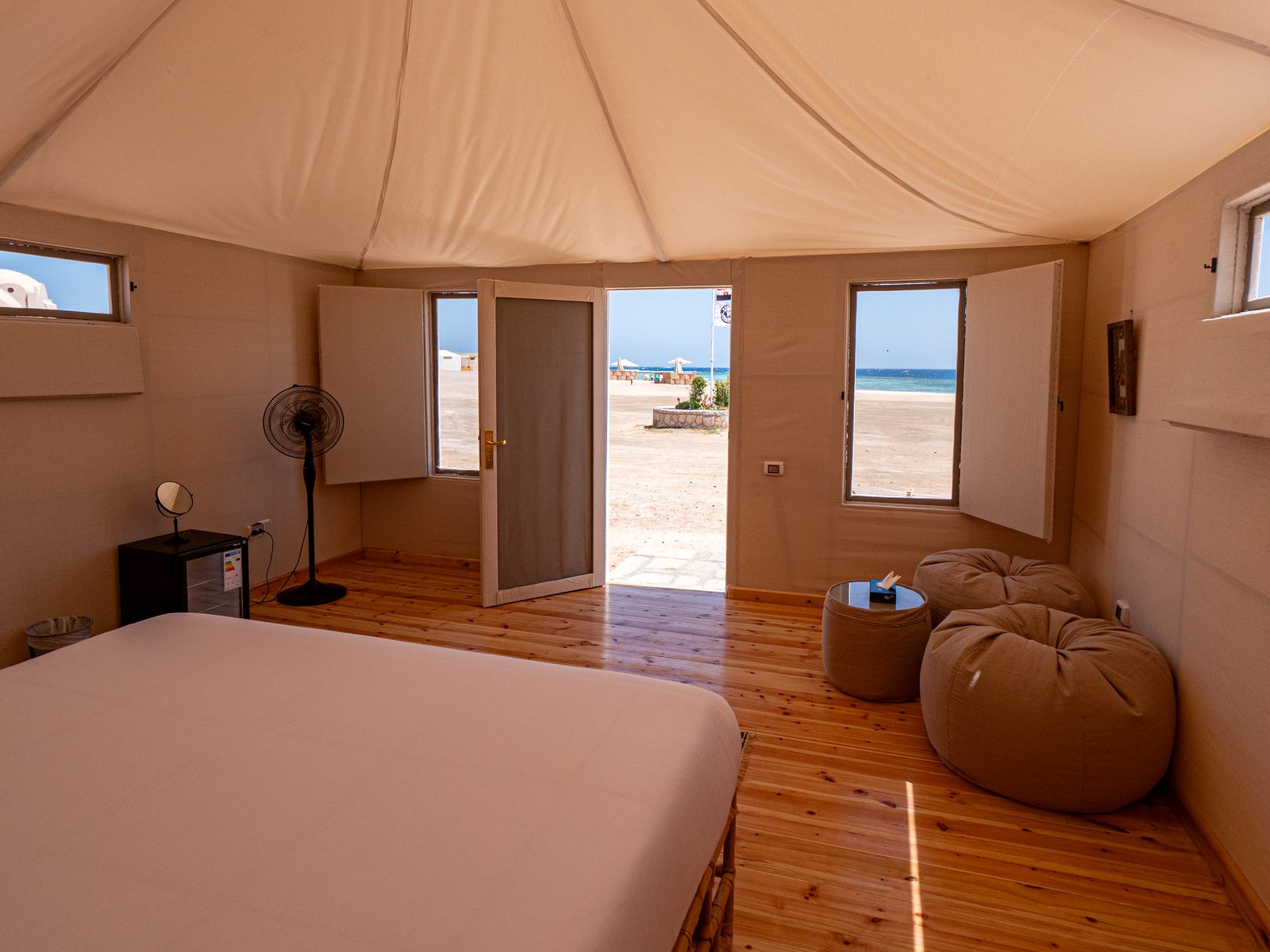
Ten nights in a Royal Tent for two, a few meters from the Red Sea, at the camp you choose.
Breakfast, lunch, and dinner are served, and tea, coffee, selected soft drinks, and refillable water are always on hand.
Where the Reef Takes You
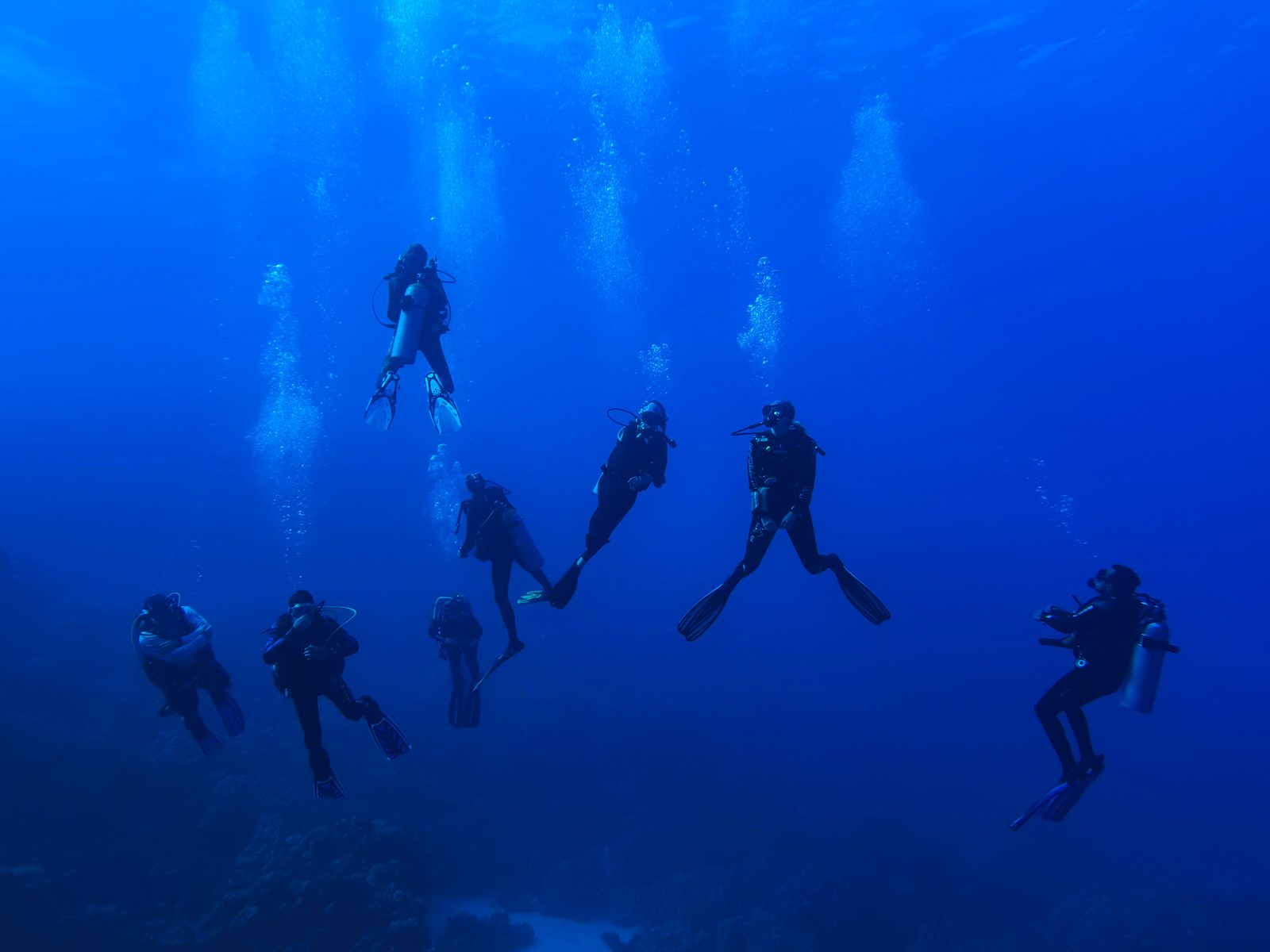
Six days of scuba diving at sites chosen to show off the best of Egypt's southern Red Sea and matched to the wind and waves each day. Your orientation dive, dive briefings, tanks, and weights are all included.
Company in the Water
Two excursions to swim alongside wild spinner dolphins. We plan around weather, sea conditions, and the dolphins themselves. They're wild, after all.
When the Sun Goes Out
A total solar eclipse, watched from inside the path of totality. Certified eclipse glasses are on us, and when Ra takes five, you take them off.
Rides Arranged
Round-trip airport transfers from Hurghada. Flying into Marsa Alam? Tell me your plans and I'll help sort out your ride.
Boat and land transport for the diving and dolphin outings in your package.
Paid Before You Think of It
Every tip is covered, from your airport driver to your dive guides, boat captains, and camp staff. No envelopes, no awkward math on your last morning.
Some of the skippers used to fish these reefs. Now they make a better living showing them off, and your tips help keep it that way.
Your environmental fee and hyperbaric chamber support fee are covered, too.
I handle the planning, the coordinating, and every question you have, from your first email to your flight home. Want to add days before or after? I'll help you plan those, too.
What's Not Included
Here's what sits outside the package, up front, so nothing catches you off guard. I'm happy to help you sort out any of it.
Before You Fly
International flights and your Egyptian visa.
Your Dive Kit
Rental equipment and Nitrox.
A Refresher, If You Need One
PADI ReActivate if it's been six months or more since your last dive. Dive courses, certifications, and specialty training if you'd like them.
Seconds, Please
Extra dives, dolphin outings, kitesurfing, and land excursions can be booked on site, depending on conditions and availability.
Your Safety Net
Travel insurance with emergency medical care and evacuation is required, and so is dive insurance if you're scuba diving or freediving. Cover for trip cancellation and interruption is strongly recommended.
Pocket Money
Alcohol, diet drinks, specialty coffees, juices, snacks, souvenirs, and anything else you decide you absolutely cannot live without.
Pack Your Fins If You…
- already looked up how long totality lasts here and are trying to act casual about it
- are happiest slowly investigating one patch of reef instead of rushing around to tick off ten sights in a day
- really appreciate a well-made plan and the freedom to ignore it
- love finding yourself in places your friends have to look up on a map
- miss the days when the whole plan was to go outside and play
Sit This One Out If You…
- need a pillow menu. The Royal Tents are simple and comfortable, and the view does the rest.
- need dolphins or whale sharks on a schedule. They didn't sign anything.
- are after workshops, a morning sharing circle, or a guide to your inner self. The only things on the syllabus are the reef, the eclipse, and whatever you feel like after lunch.
- would chase a dolphin or touch a turtle for a better photo.
- would talk down to a skipper, a guide, or anyone on the camp crew. They know this coast inside out, and we're guests in their home.
Count Me In
€5,495
per person, sharing a Royal Tent
€4,995 if you're snorkeling, freediving from shore, or staying topside instead of joining the dive program.
That's ten nights by the sea, every meal, six dive days, two dolphin outings, airport transfers, the eclipse from inside the path of totality, and every tip and fee, covered.
Paying in dollars? No problem. Card or bank transfer both work, and the conversion happens on the day you pay.
Book Early, Swim More
The first five to book get one extra adventure on us: another dolphin outing or dive day, whenever the boat has a seat for you.
Fourteen Spots, Two Camps
Both camps are fully booked for eclipse week, so these are the only beds left, and Lahami has even fewer than Nakari. When they're filled, that's the trip.
Holding Your Tent
A €1,500 deposit holds your place. After that, it's €2,000 by 1 March 2027 and the balance by 15 May 2027. Pay by card or bank transfer. Need a different payment schedule? Just ask.
Who's on the Other Pillow
Want a tent to yourself? Private tents are €1,750 extra, offered from 1 May 2027 if any are left. Ask to go on the list.
If Plans Change
Payments are non-refundable once made. If you can't come after all, you can pass your place to someone else, with my OK.
If Wild Kin cancels the trip, you get every cent back. If something bigger than us cancels it, like a travel ban, you get back everything we haven't already paid out, plus everything we can recover.
Full terms and conditions are on the booking page.
From the moment you raise your hand until you're home again, still finding sand in your bag, you've got me in your corner.
The moon has already RSVP'd.
Straight From the Water
“Victoria was an exceptional guide for our whale watching experience in Baja. Her deep knowledge and love for the animals made the encounters so memorable and rewarding in a unique way. Her attention to both the animals’ safety as well as her human charges’ safety was exemplary, and despite being an arm’s length from some of the world’s largest creatures and their babies, we felt that she always had the situation well in hand. Victoria’s enthusiasm made her a joy to be around! We can’t wait for our next trip with her!”
“Victoria’s genuine love for all of nature shines through in her interactions with those she guides and the animals she is advocating for. Her presence and knowledge about the gray whales was inspiring and contagious. I believe the universe played a part in my meeting Victoria. She fostered an even deeper love for these majestic animals, and I am so grateful I got to experience that with an amazing human.”
“Victoria was our in-water guide and cook on a five-day catamaran liveaboard trip with the wild Bimini dolphins in the Bahamas. She was the only crew on board apart from the captain, so she did a bit of everything. She is a strong and hard worker, she is also confident in the water, and makes sure everyone feels comfortable. She’s a lot of fun to have around – she’s been to many places all over the world and has lots of stories to share. I think you’d really enjoy a trip with her.”
FAQ
Diving, Water, and Wildlife
Do I need to be a scuba diver? Can I snorkel or freedive instead?
You can scuba dive, freedive, snorkel, or mix all three. What matters is that you're comfortable in open water and confident managing your own limits. If you're not joining the dive program, your price drops to €4,995.
Snorkelers ride along with the divers on the boat trips in your package: every dive morning at Lahami and the three boat days at Nakari. Extra snorkeling trips can be booked on site.
If you're freediving, we require 24 hours between your last scuba dive and your next freedive, including descents as shallow as two body lengths. It's a conservative trip policy to reduce the risk of decompression illness.
Never dived? Get certified here, with wild dolphins and a total solar eclipse as your backdrop. Not sure what suits you? Ask me, and we'll talk it through.
I haven't dived in a while. Am I going to be hopelessly rusty?
Rust happens, and there's a refresher for that. If it's been six months or more since your last dive, you'll do a PADI ReActivate before joining the dive program, and we can arrange it on site. Everyone also starts with an orientation dive.
We strongly recommend at least 20 logged dives, and you should be comfortable managing yourself underwater and diving with a buddy.
Will I be in good hands underwater?
Both camps' dive centers are PADI Five Star and have been diving this coast since 1990.
Can I night dive?
Yes, and it's worth it. At Nakari, you can wade in off the house reef at golden hour and surface in the dark. At Lahami, night dives head out at sundown before dinner, with a night-dive certification or a private guide for a small extra fee. Now and then, local rules pause night diving for a while, so go when the sea says yes.
Can I rent dive equipment?
Yes. You can rent scuba and snorkeling gear, so there's no need to buy a full kit just for this trip, unless you've been looking for an excuse. If you have a mask, computer, wetsuit, or fins you love, bring them. Tell me what you'll need, and we'll reserve it before you arrive.
What happens if the dolphins don't show up?
Then the dolphins don't show up. Rude, really, considering we've come all this way.
They're wild animals, not scheduled entertainment. We don't call them in, corral them, or chase them. If they have other plans, we make the most of our time on the water. They get to be wild. We get to be guests.
Is This Journey Right for Me?
Which camp should I choose?
Tell me what you love, and I'll help you pick. In short: Nakari is diving on your own schedule, straight off the beach, with a livelier camp and Roman ruins nearby. Lahami is the Fury Shoals, the longer totality, and miles from anywhere. Still torn? That's the right reaction. Send me a message.
What if I can't make the full ten nights, but missing this eclipse would haunt me until 2114?
Reach out before you rule yourself out. The full ten nights give you everything, but if your schedule only allows part of the trip, let's see what's possible.
I'm coming solo. Is everyone else going to know each other already?
Not necessarily. But everyone here picked a total eclipse and a lagoon full of wild dolphins over a sensible beach holiday, so you already agree on the things that matter. If you're solo, I'll pair you with a tentmate you're comfortable sharing with. A lot of the best adventures begin with knowing absolutely nobody.
Can I bring a non-diving companion?
Absolutely. Depending on the camp, they can snorkel, go birding, explore Roman ruins, join a day trip to Luxor, or be a full-time beach bum. You don't have to share every activity to share the journey.
Can I skip activities or have downtime?
100%. There's no prize for doing everything. Skip a dive, sleep in, read by the sea, or spend an afternoon doing absolutely nothing.
Do you offer work trades?
Got a skill to trade? Wild Kin has always made room for work trades toward part of the trip cost. Ask me about it.
Camp Life
What's the accommodation actually like? Am I roughing it?
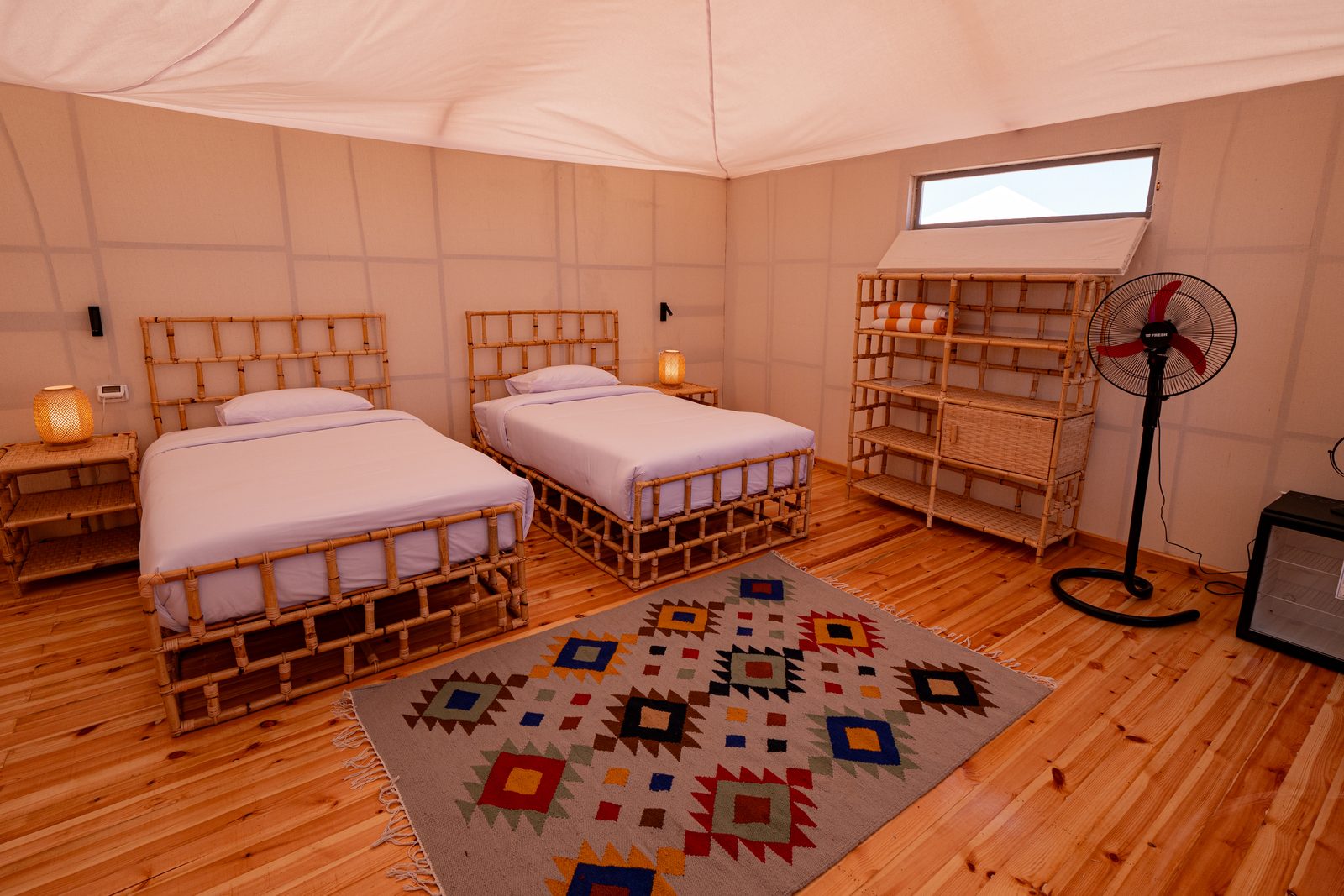
Think safari-style eco-camp: a Royal Tent a few steps from the sea, with a real bed (a king or two singles), electricity, a fan, a mini-fridge, and your own seat outside to watch the water. Shared bathrooms are close by.
Air conditioning? Not out here. Instead, the sea breeze drifts through your tent at night, and you fall asleep to the sound of the waves.
Want a king bed? Ask early. Each camp has a limited number, and we'll do our best to get you one.
What are meals like? Can dietary needs be accommodated?
Three freshly prepared meals a day, with a mix of Egyptian and international dishes. Vegetarian options are available, and most dietary needs can be met with advance notice. Tell me about allergies or specific needs ahead of time, and I'll coordinate with the camp.
Planning Your Trip
Can I fly into Marsa Alam instead of Hurghada?
Yes. Hurghada has more international flights, often cheaper ones, and your transfer from there is included. Marsa Alam is closer to both camps but has fewer flights. If it's your best route, tell me your plans before you book, and I'll help sort out your ride.
I'm worried flight prices will go up. Any tips?
Book early, and look at routes through Europe or Istanbul into Hurghada or Marsa Alam. Flying from the Americas, two separate tickets can be the cheaper option: one to a big European hub, then one on to Egypt. Leave a generous layover, since separate tickets won't cover a missed connection. Send me your options before you buy, and I'll help you find the best one.
Can I come early or stay longer?
Yes, and I'd love to help. Maybe it's a few days among the pyramids in Cairo, or a slow trip up the Nile. Tell me what you have in mind before you book your flights, and I'll help you plan the extra days around the trip.
How hot is it in August?
Hot. Expect daytime highs in the low to mid 30s °C (around 90–95 °F), balmy nights in the mid 20s °C (upper 70s °F), and next to no chance of rain. A steady breeze blows in off the sea, which is why kitesurfers love this coast, and the Red Sea is a few steps from your tent whenever you want to dunk yourself. Bring electrolytes, and drink before you're thirsty.
What should I bring?
Pack for hot days, warm water, and lots of sun. In early August, Egypt's southern Red Sea is around 28–29 °C (82–84 °F) at the surface, but several dives a day can make warm water feel cooler, so a shorty or a thin full wetsuit is worth considering. Bring swimwear, light clothes, sandals, a hat, sunglasses, reef-safe sunscreen, and a rash guard. Don't forget the paperwork: a passport valid for at least six months after you land in Egypt, your visa (I'll walk you through it), and your insurance details. Divers, pack your certification card and logbook, too. You'll get a detailed packing list before the trip.
Do I really need travel insurance? What about dive insurance?
Yes to both. Travel insurance that covers emergency medical care and evacuation is required, and so is dive insurance if you're scuba diving or freediving. These camps are wonderfully remote, which is the whole point, and also why this one isn't optional. Cover for trip cancellation and interruption is strongly recommended, too. Ask me if you'd like recommendations.
Is it safe to travel in Egypt?
Egypt's southern Red Sea is an established international diving destination, and these camps have been welcoming travelers since 1990. As with any trip abroad, check current travel advice before you go. Once you're there, the camp teams and I handle the on-the-ground logistics. If you have a specific concern, ask me. I'd rather you arrive informed than sit at home wondering.
The Eclipse
What if we can't see the eclipse?
If thick clouds cover the sun, they can hide the eclipse. Weather gets a vote. But in June, July, and August, the camps' own climate records average zero rainfall and about 1% cloud cover. That's about as good a hand as the weather can deal us. We'll be inside the path of totality, ready for the moment the moon covers the sun.
I Blame the Eclipse
In 2024, I lay flat on my back under my first total solar eclipse in Mazatlán, Mexico. Afterward, I became completely insufferable.
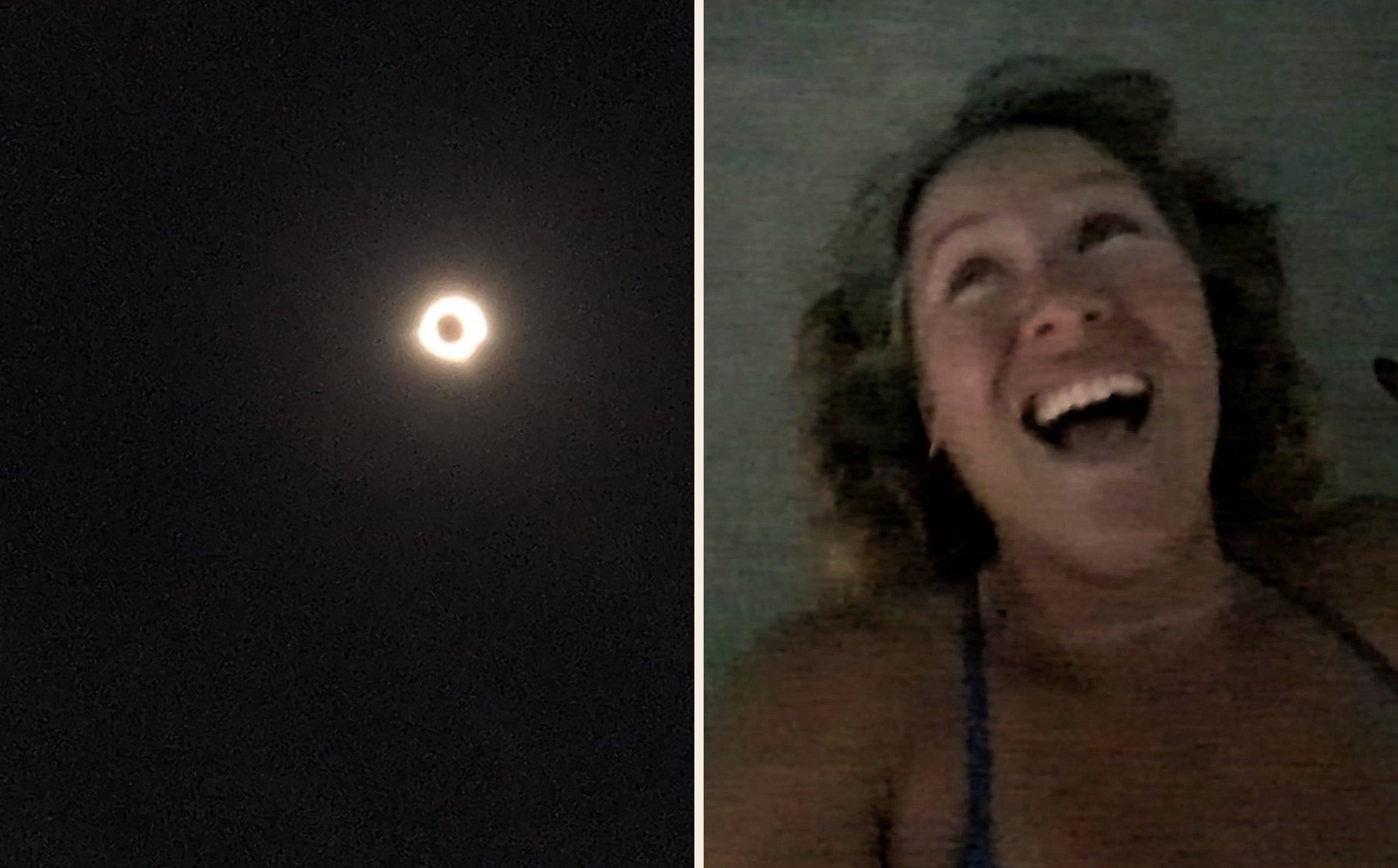
I wouldn't shut up about it. I kept trying to describe what it's like inside totality: 360 degrees of twilight in the middle of the day, and how it short-circuits the lizard part of your brain. I kept failing.
Eventually I realized nobody needed a better explanation. They needed to stand beneath one themselves.
Professionally Picky
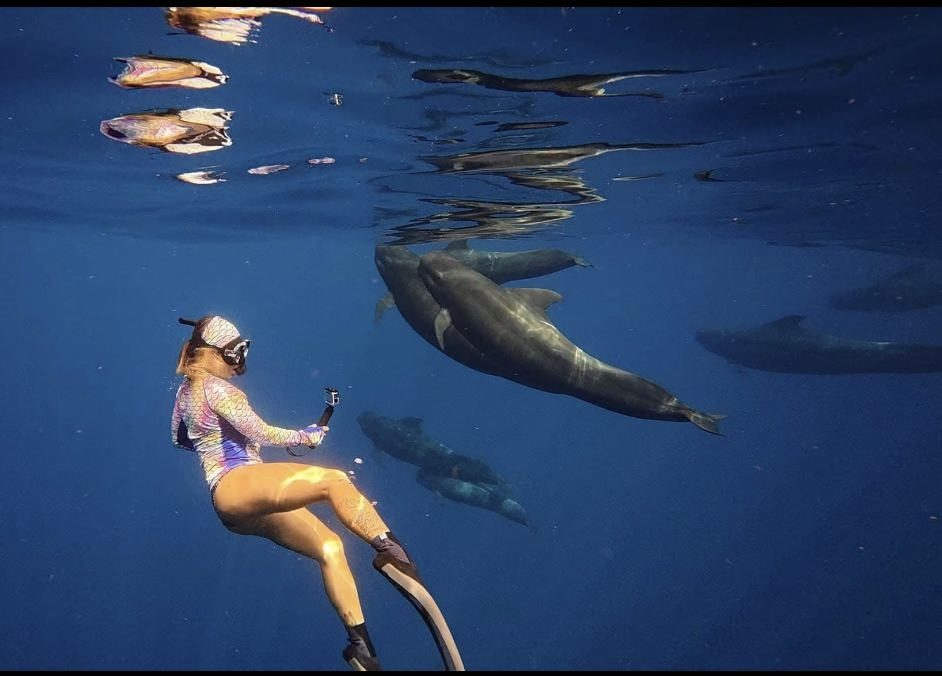
My first official guiding job was in Antarctica in 2003–04. Since then, I've guided among the gray whales of Baja's San Ignacio Lagoon and in the water with sperm whales in Dominica and wild dolphins in the Bahamas.
Twenty-odd years of guiding and building my own trips since 2019 has left me with a very short list of what makes a place worth crossing the world for. Wildlife and natural phenomena pull me in, and locals who've spent a lifetime learning what's worth noticing keep me hooked.
Where the Shadow Lands
So I pulled up the eclipse maps and followed the path of 2027's big one, holding every stretch of it up against that list. And there it was, running straight over Egypt's southern Red Sea: desert mountains, some of the world's finest hard coral, wild spinner dolphins a short boat ride away, and around six minutes of totality.
Holy jackpot.
The very longest totality falls near Luxor, nowhere near a reef. Lahami misses it by about ten seconds and gets a whole sea in return. I'd make that trade any day.
I've been insufferable about one eclipse. Come be insufferable about this one with us.
Who's Coming With You
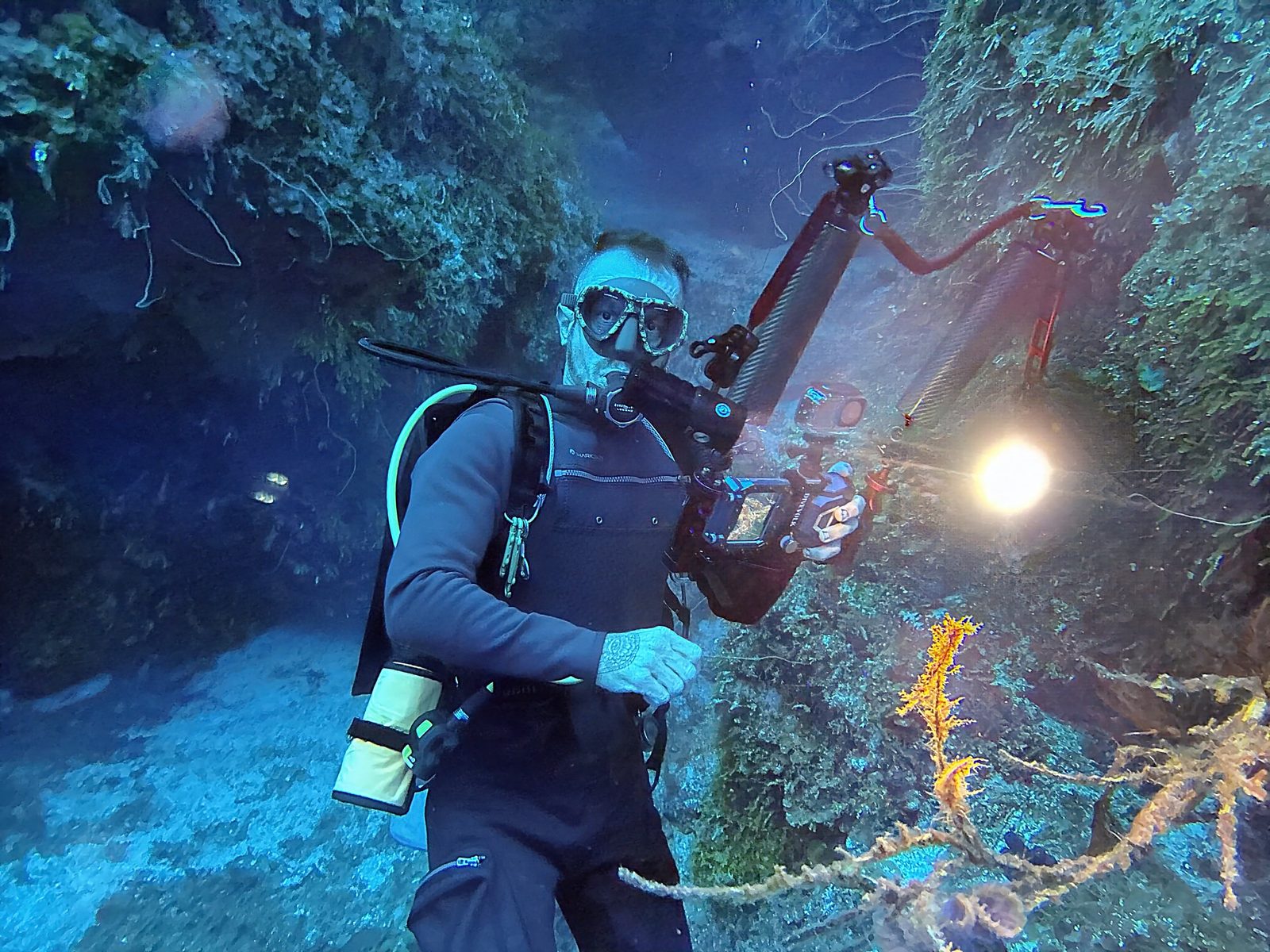
“Matt taught me to dive, and he’s still the one I dive with whenever he’s back in Grand Cayman. He’s calm, patient, and incredibly thorough. I felt safe from my very first dive, especially when he pointed out my first reef shark. His knowledge of the underwater world is vast, and he spots so many things I’d swim straight past. What I appreciate most is that he’s as attentive to me as he is to everything around us. If you want to get more out of your time underwater, I wholeheartedly recommend Matt.”
Tamara Bonnar, Grand Cayman
Which Camp Is Winning?
By now you've probably picked a camp, switched, and switched back. Tell me where you've landed, or let me help you break the tie.
If I'm on dry land with signal, you'll hear back fast. If I'm underwater, give me a minute.